Kathmandu – rebootBook a tour

Kathmandu – reboot

Reload your mind and nervous system in the legendary heart of the Himalayan valley. Nine days of immersion in an open-air museum city, mindfulness practices, and networking with entrepreneurs and creators.

Save a spot!

Why Kathmandu?

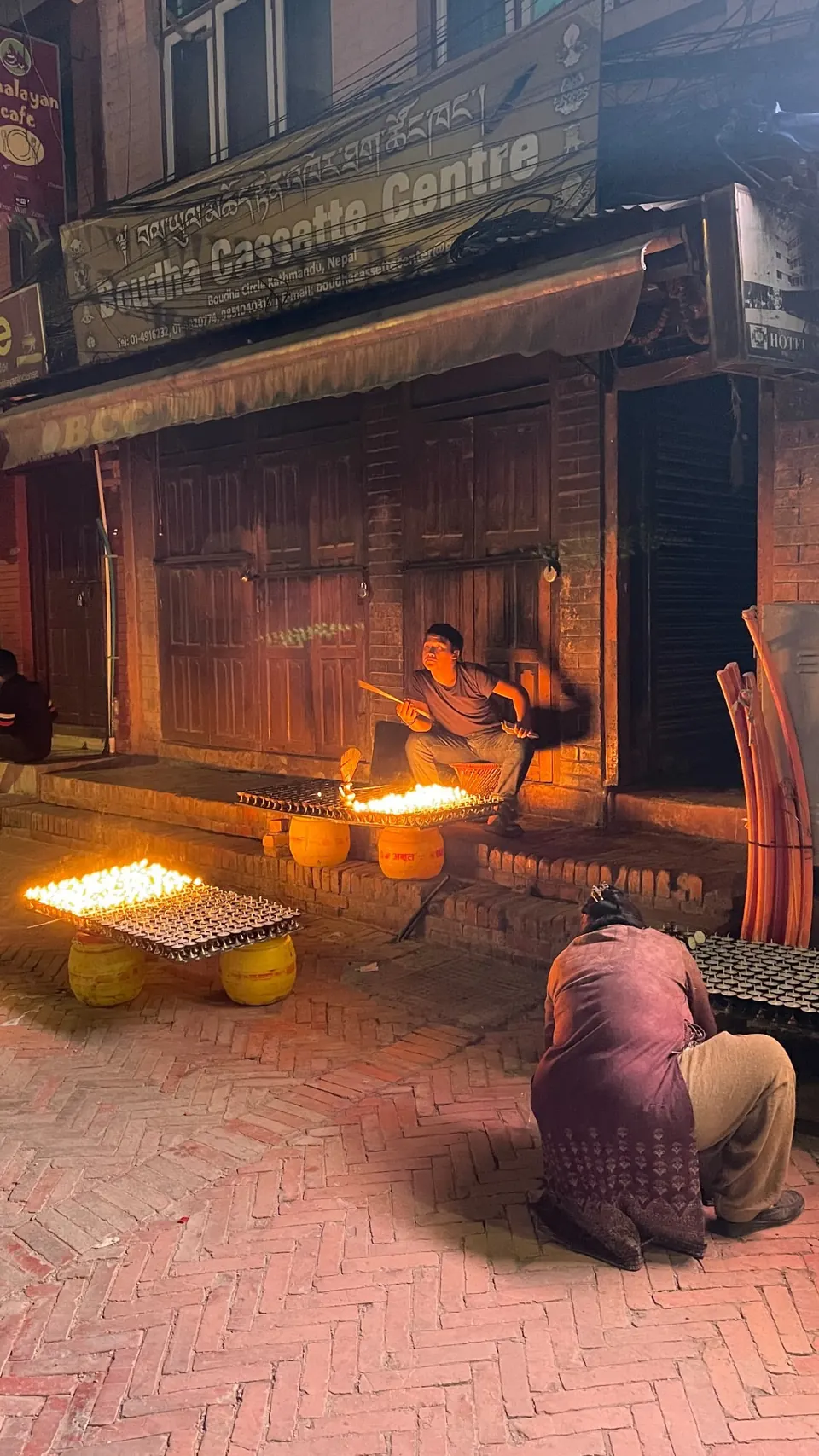
The Kathmandu Valley is a unique region in Asia where, in certain places, applied practices of working with attention and perception, including tantric ones, have developed and been preserved for centuries. Unlike other cultures, here they have been integrated into everyday life - through architecture, rituals, and movement routes - rather than remaining the privilege of the initiated.

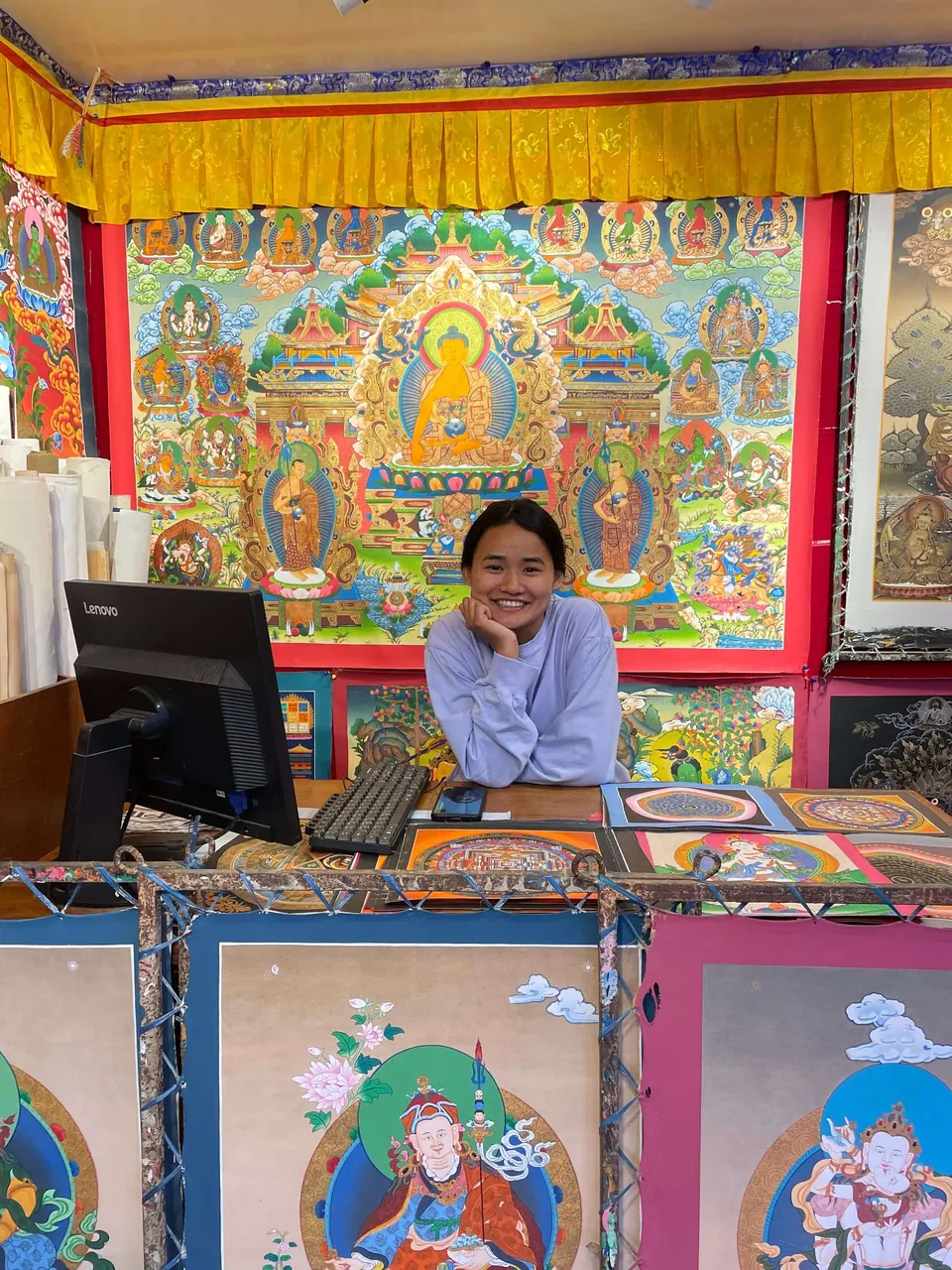
A key feature is the Newar civilization, which has preserved its identity at the crossroads of Tibetan, Indian, and Chinese influences. The infrastructure of meaning still functions here - stupas, monasteries, temples, and workshops that transmit not only skills but also ways of thinking. Such a "living laboratory of attention" accelerates insights - this is exactly what we are going for.
For whom

  • Entrepreneurs who need to step back from operations and refocus their vision.
  • Product creators looking for fresh ideas and perspectives.
  • Self-explorers - those who want practical, non-esoteric practices that work here and now.

For those who are not looking for "motivation" but rather a change of perspective - in an environment where profound practices are not declared but simply woven into the rhythm of life.

Only a few tours a year
May and October '26

Eight full days in the Kathmandu Valley.
Places of power, mindfulness practices.
Discussions about clarity, mindfulness, acceptance, and entrepreneurship, as well as whether it is necessary and possible to combine them and how to do so.
Book your place

What will participation bring?

4 good reasons to go

Change your perspective and see familiar tasks from a new angle

Get out of chronic stress mode and learn to quickly regain clarity

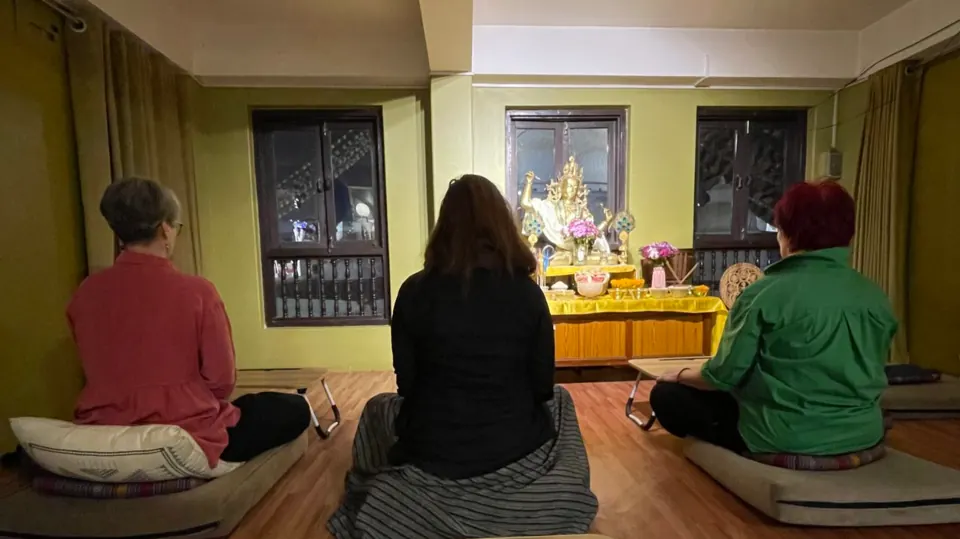
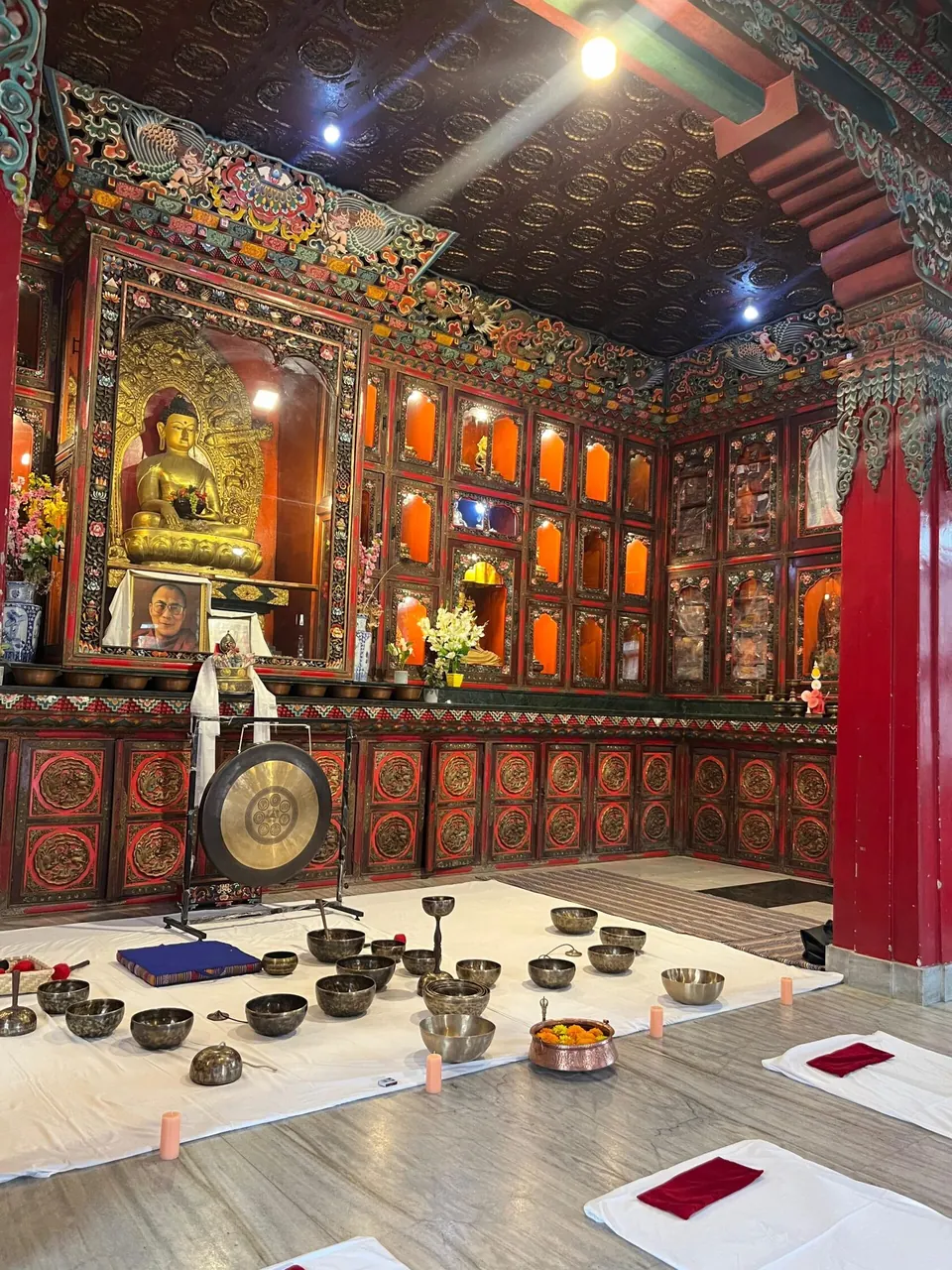
Get acquainted with mindfulness practices or strengthen this skill through short daily practices.

Being in a group of people with similar backgrounds, challenges, and experiences to share insights and ideas

Day-by-day tour itinerary

  1. Day 1

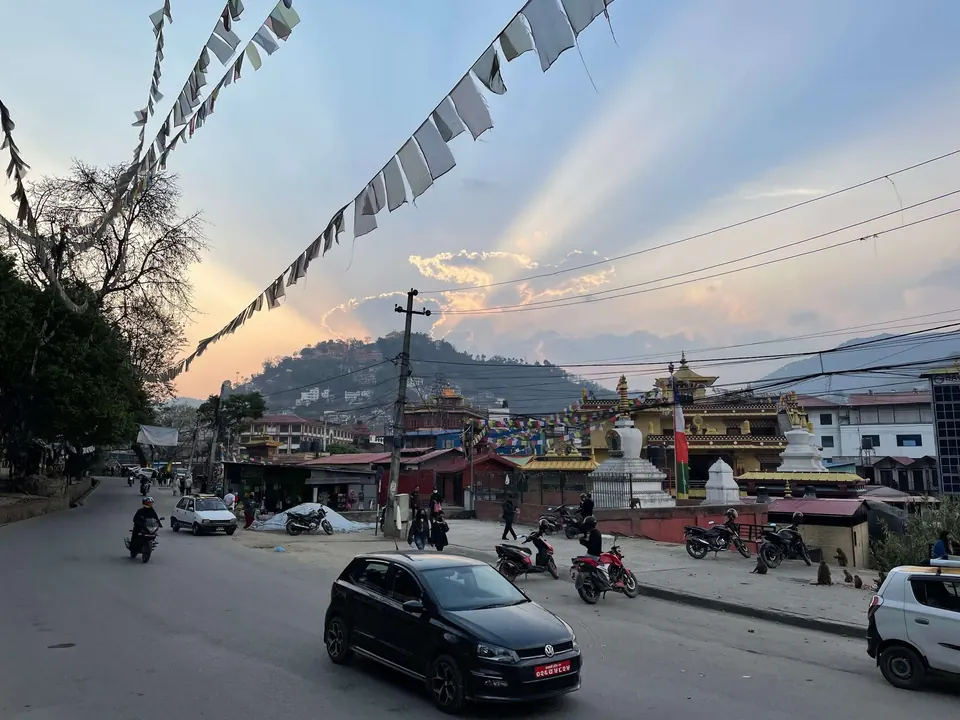
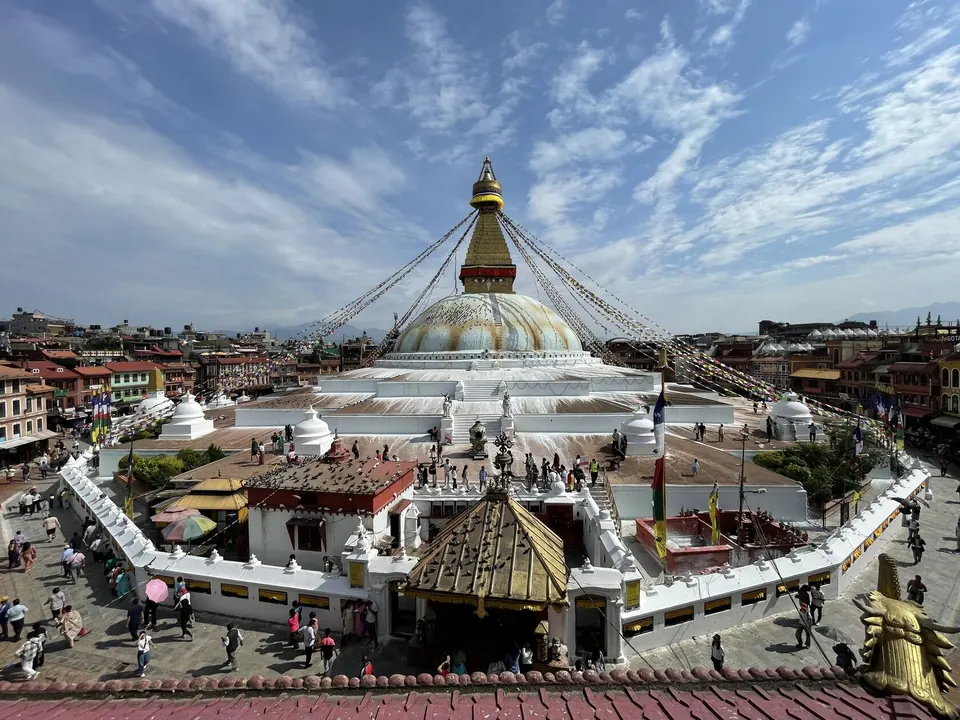
    Bodnath

    Let's tune into the rhythm of the city and the practices:
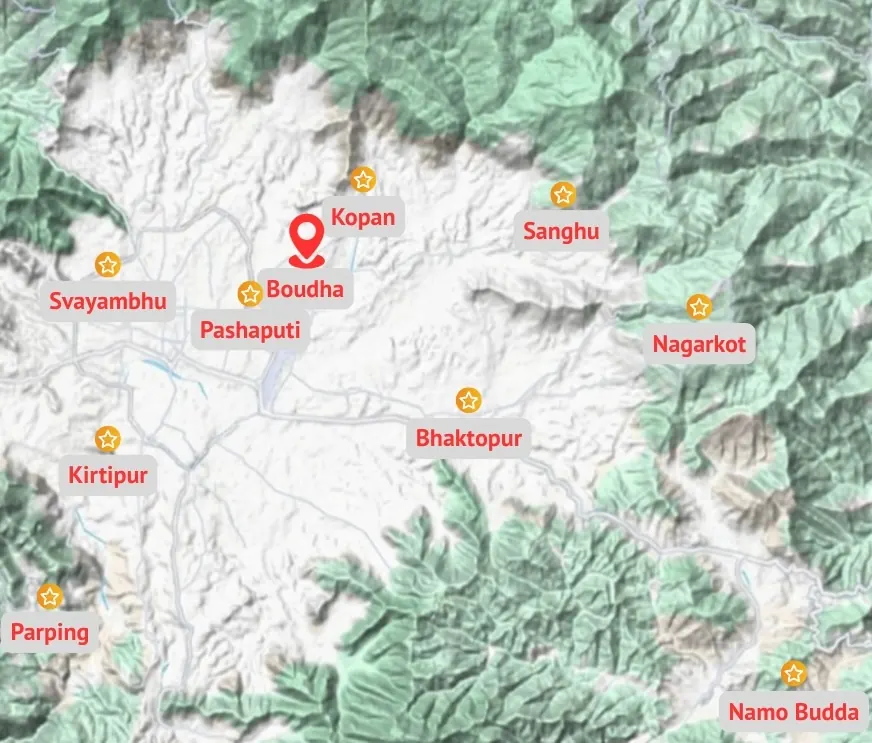
    – Transfer and accommodation in the Bodnath area
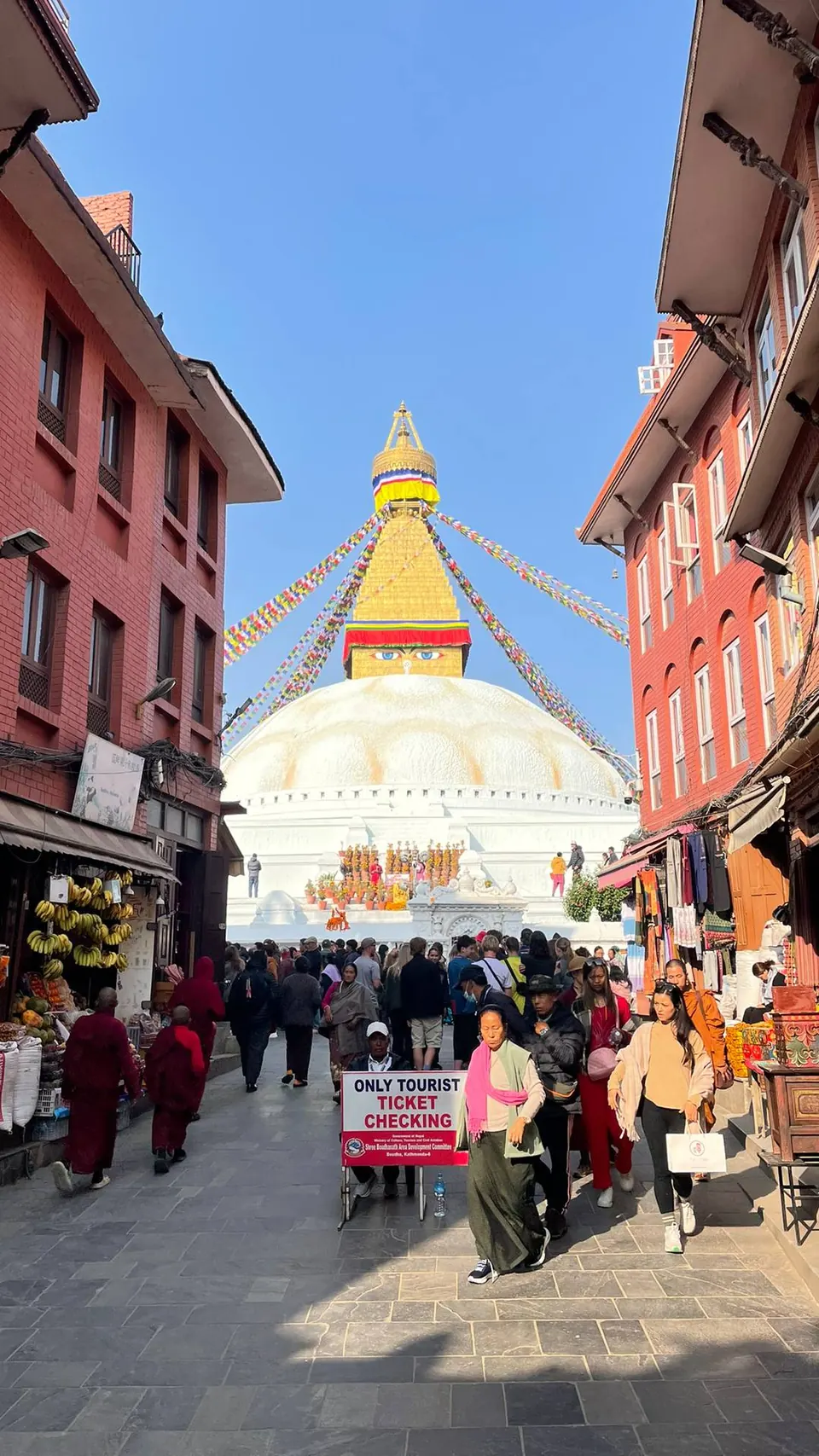
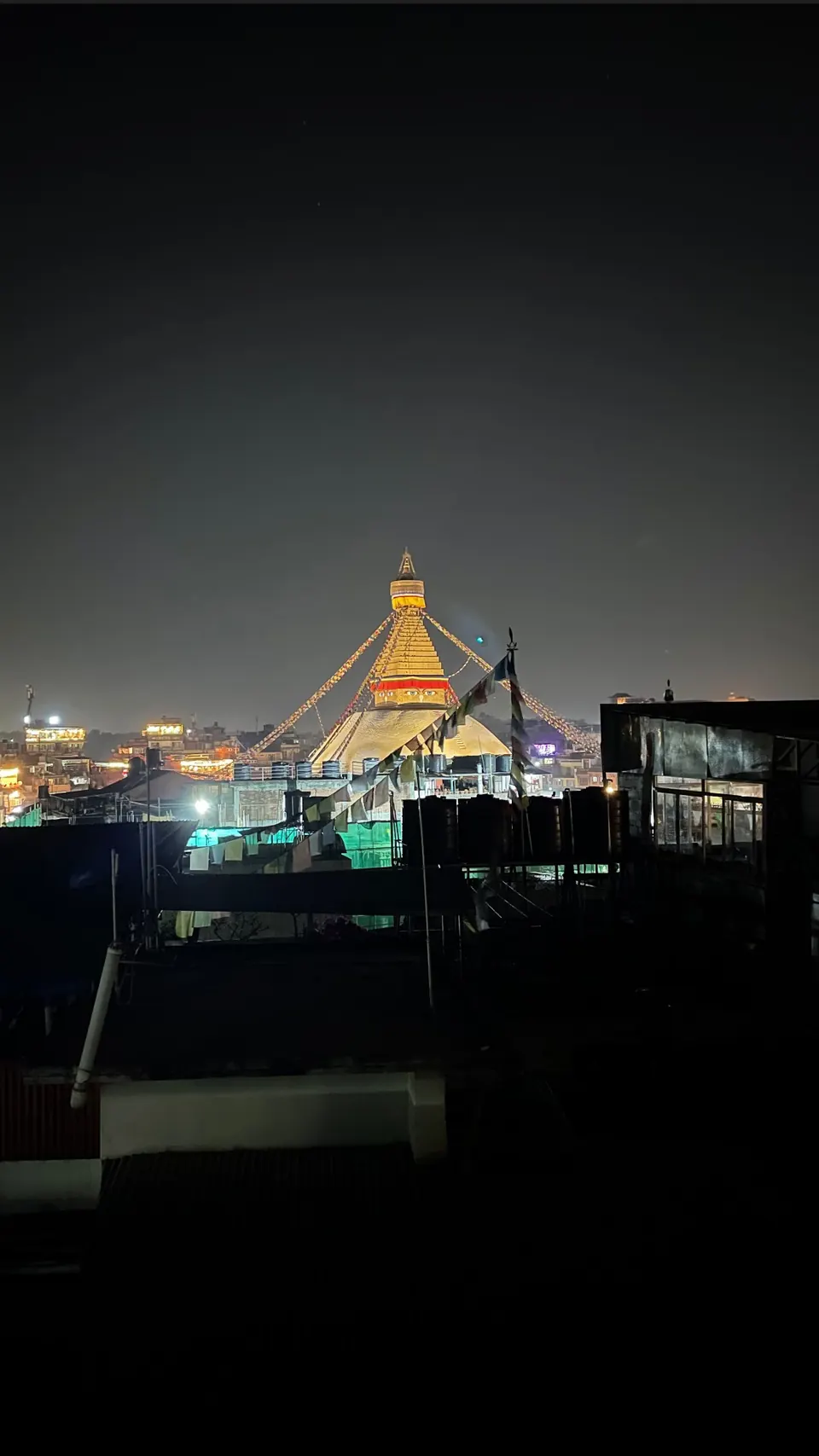
    – Kora around the Bodnath stupa
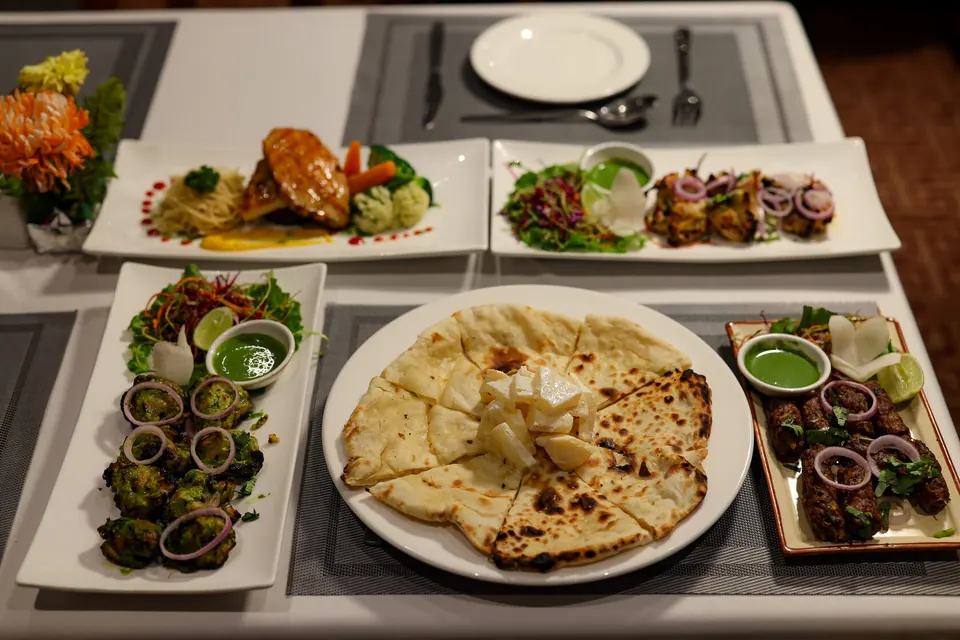
    – Local cuisine tasting
    – Evening social gathering
  2. Day 2

    Kopan & Shechen

    Immersion in living Buddhism through silence and symbolism:
    – Morning kora around Boudha stupa
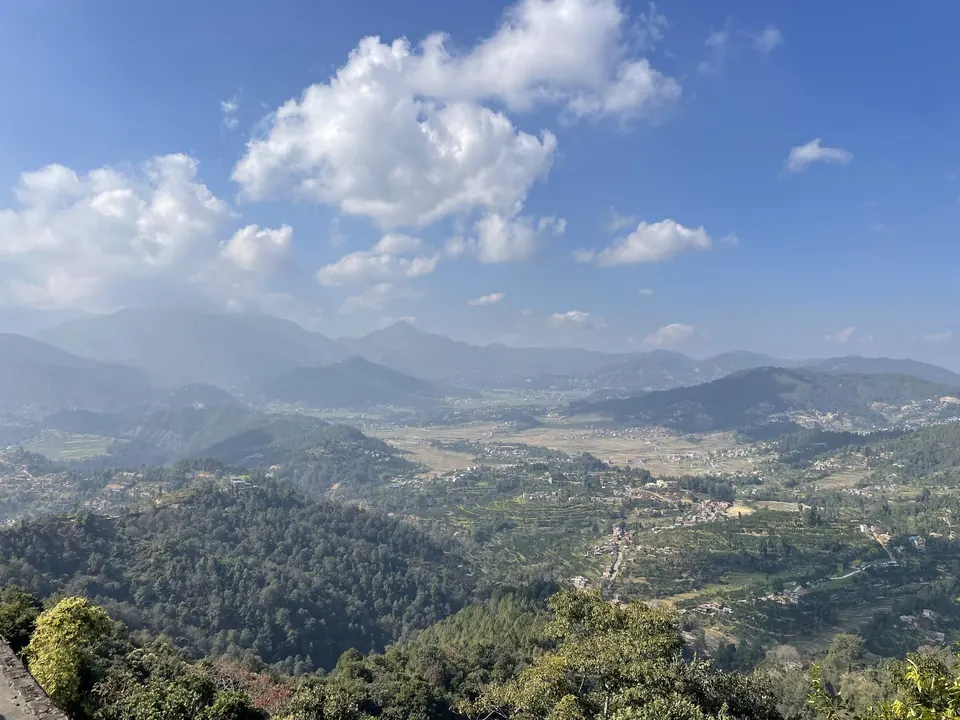
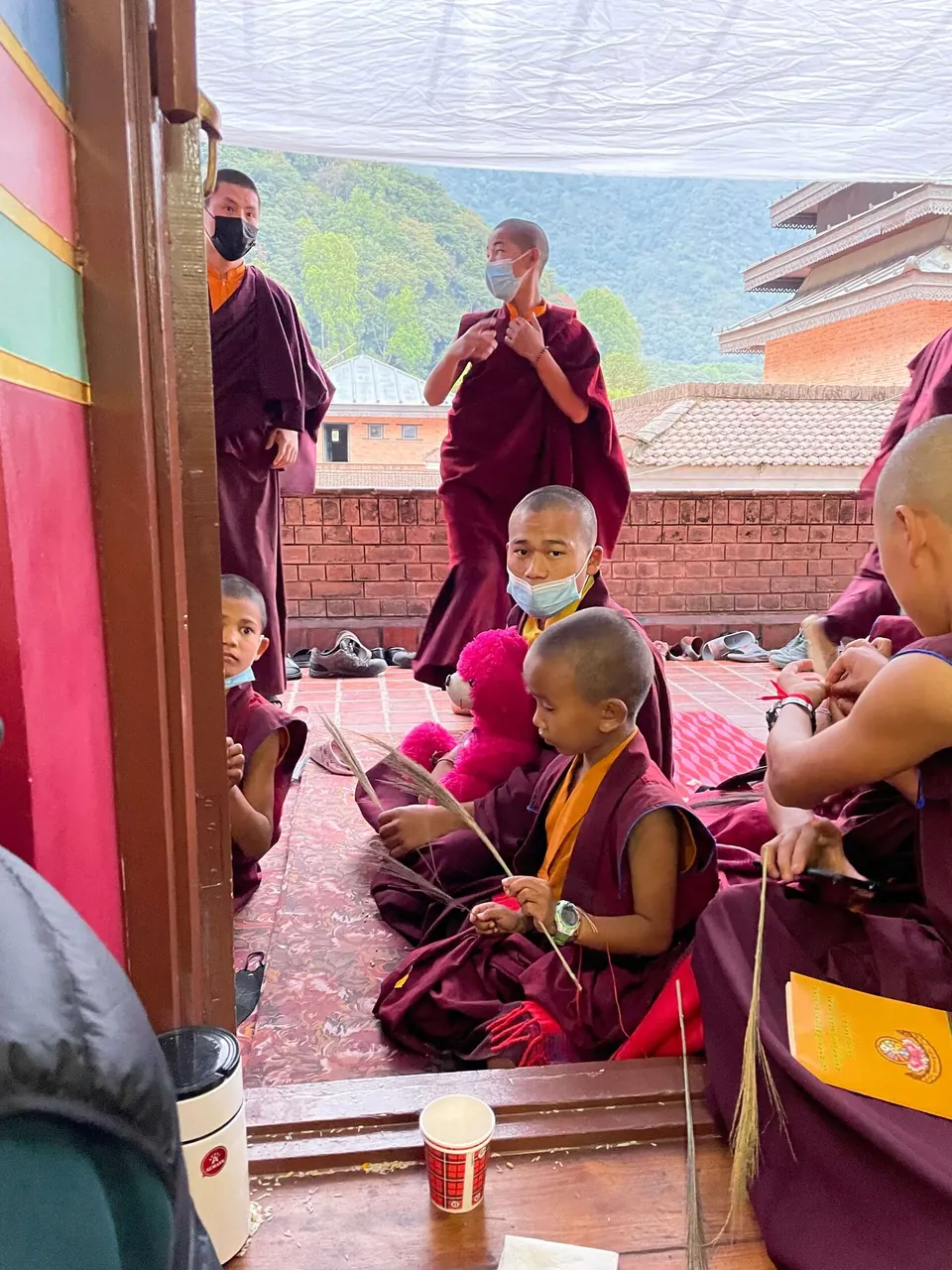
    – Kopan: monks' daily life, panorama, practice
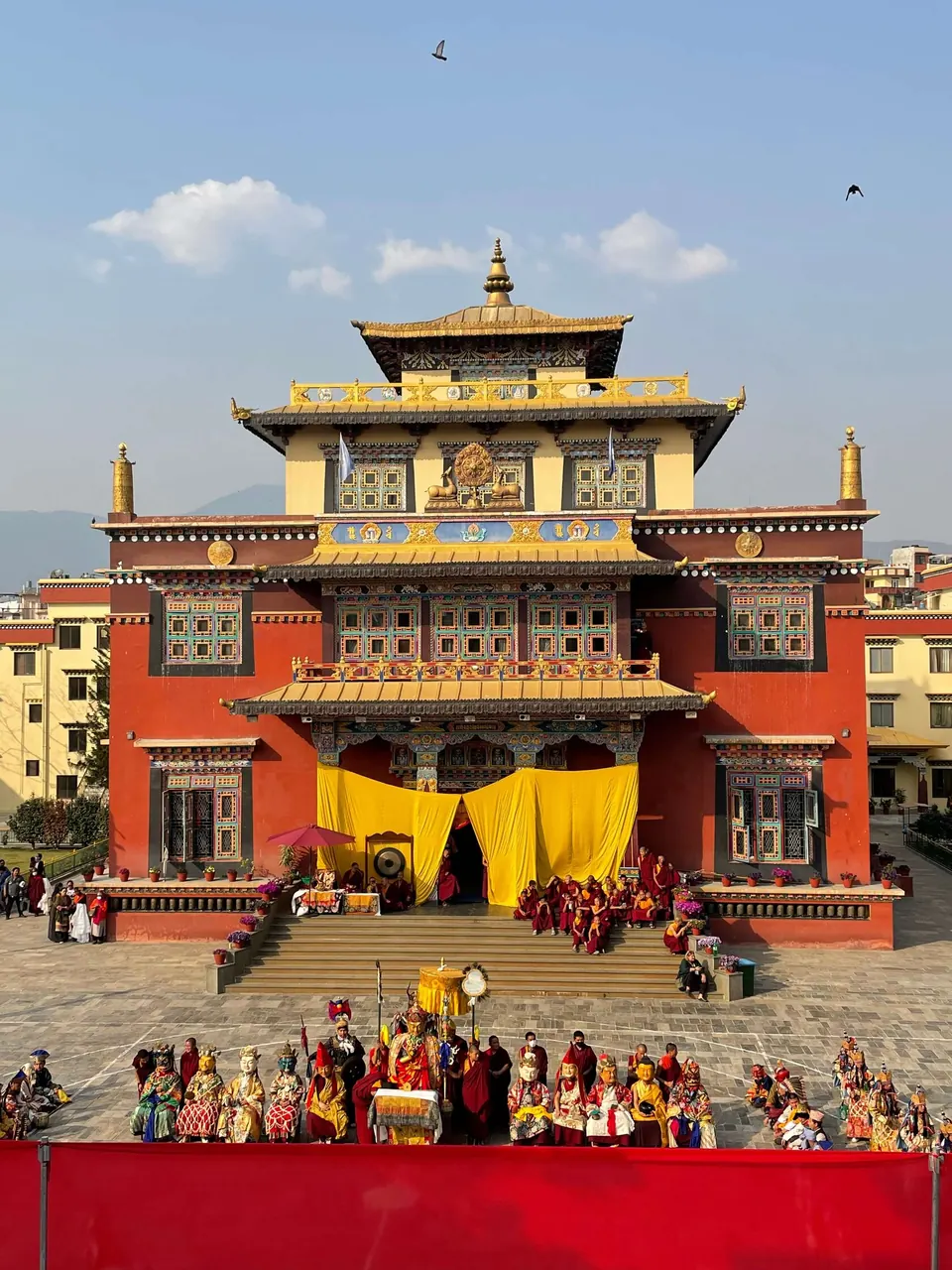
    – Shechen: architecture, memorial stupa of ven. Dilgo Kyence Rimpoche
    – Evening session of reflection
  3. Day 3

    Pashupatinath

    Encounter with the theme of transformation and passing forms:
    – Morning kora on Bodnath Stupa
    – Transfer to Pashupatinath Temple Complex
    – Observation of cremations, discussion of the philosophy of rebirth
    – Tibetan tea and reflection
  4. Day 4

    Swayambhunath

    Step up - broaden your horizons.
    – Morning hike to Swayambhunath
    – Kora around the hill, then visiting of Lopen Tsechu Rinpoche Monastery with his memorial stupa
    – Meditation and Q&A session
    – Return to Boudha, free evening
  5. Day 5

    Bhkatapur

    Contact with living Newar culture.
    – Trip to Bhaktapur
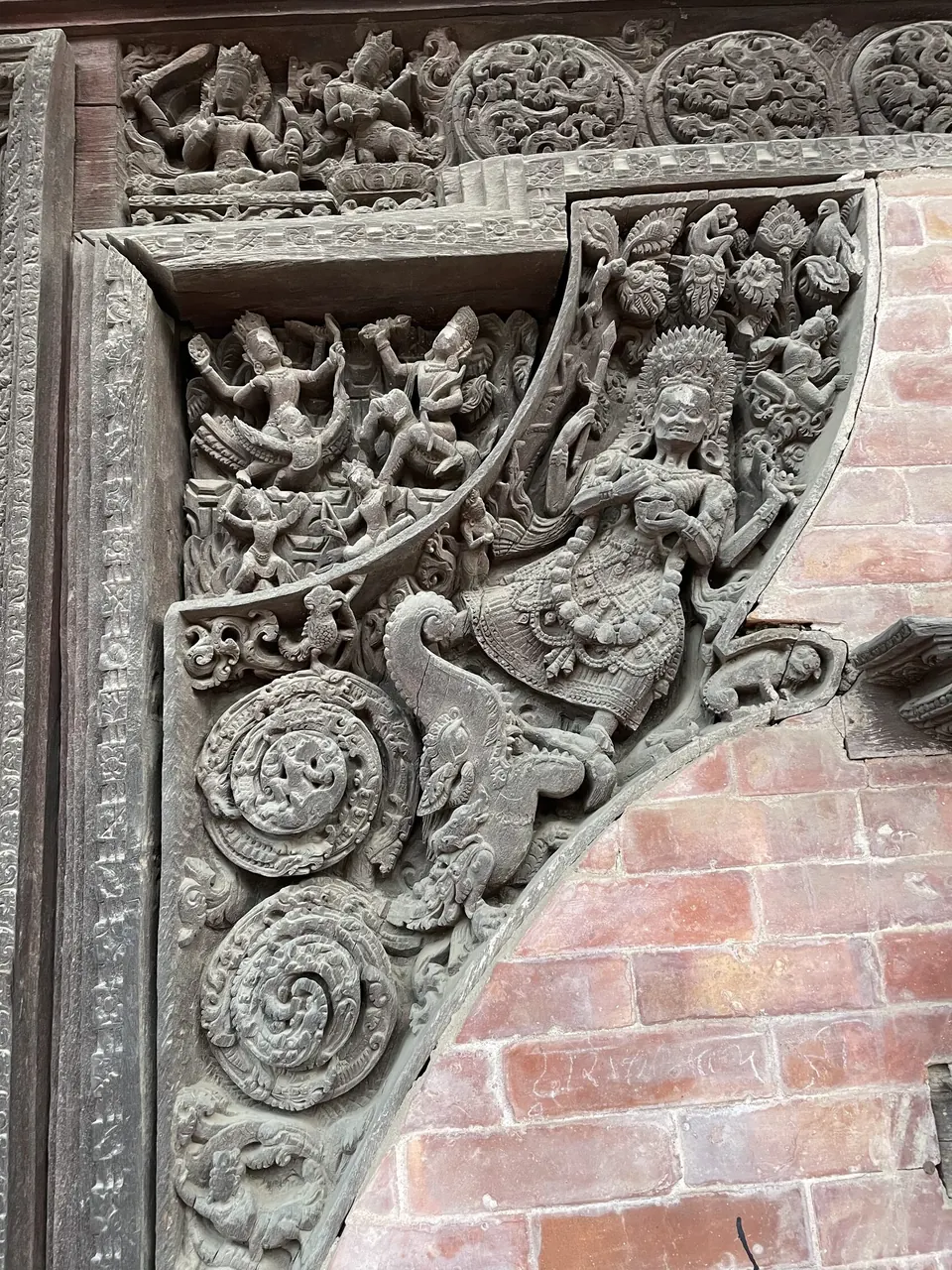
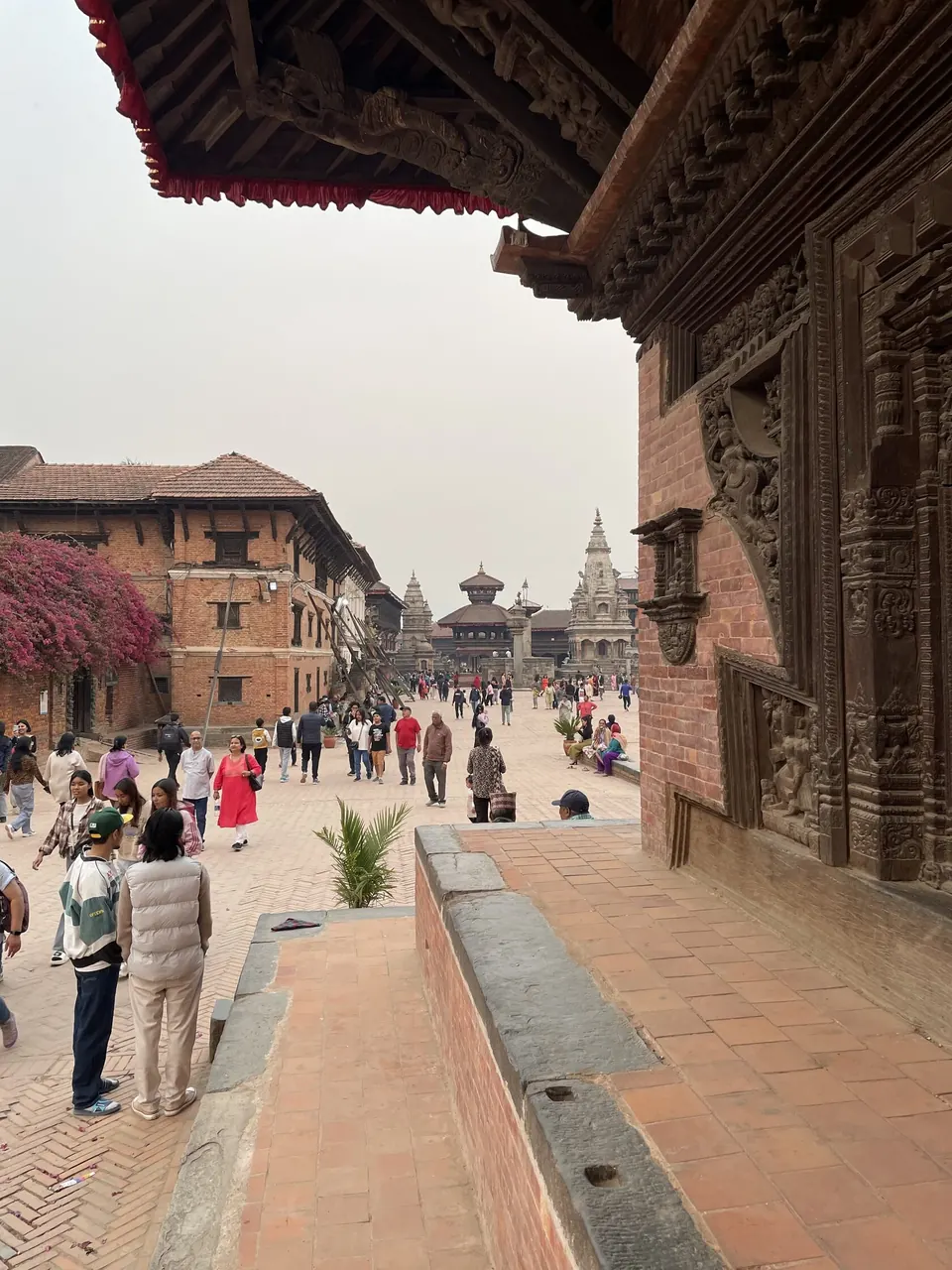
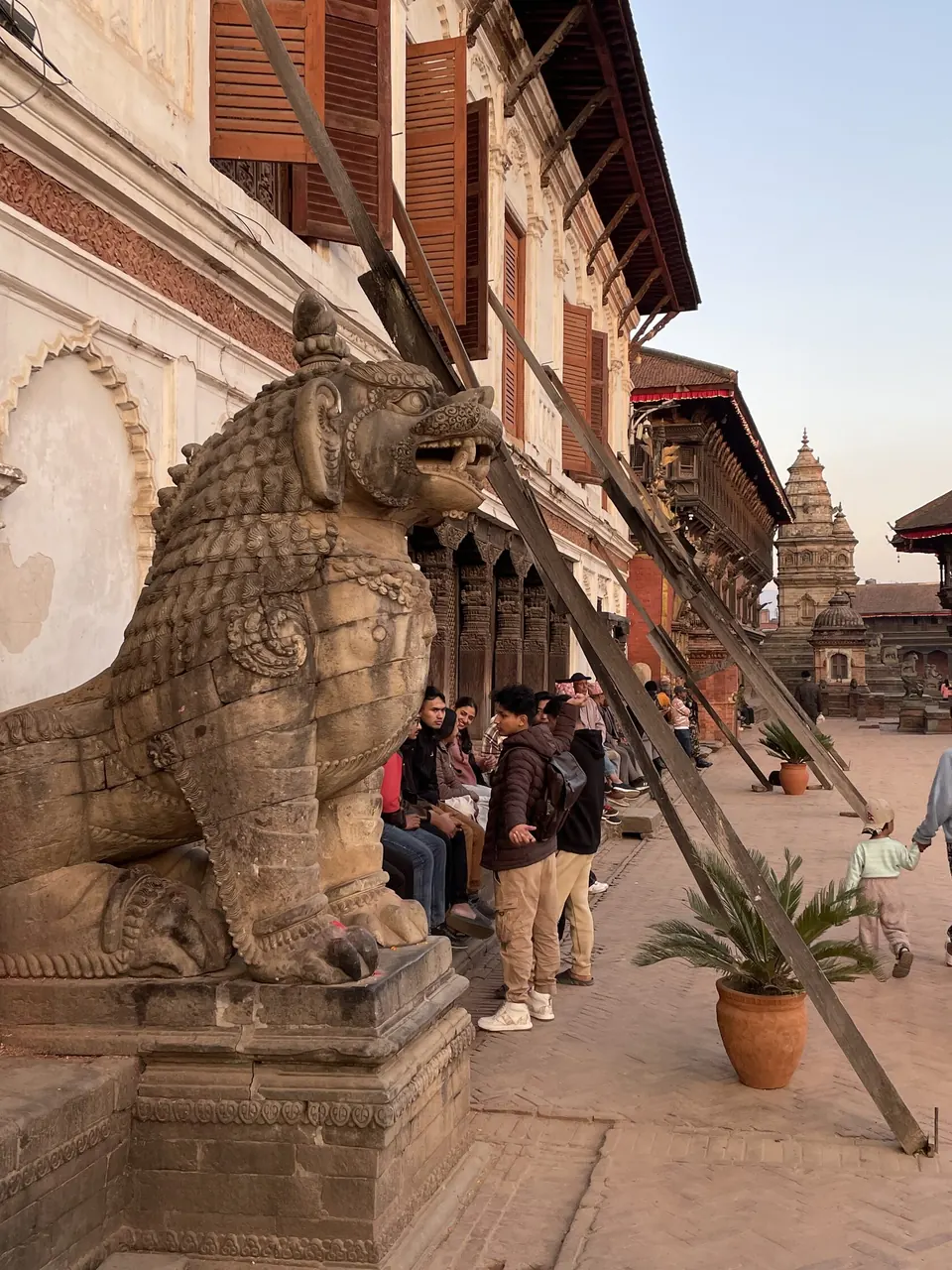
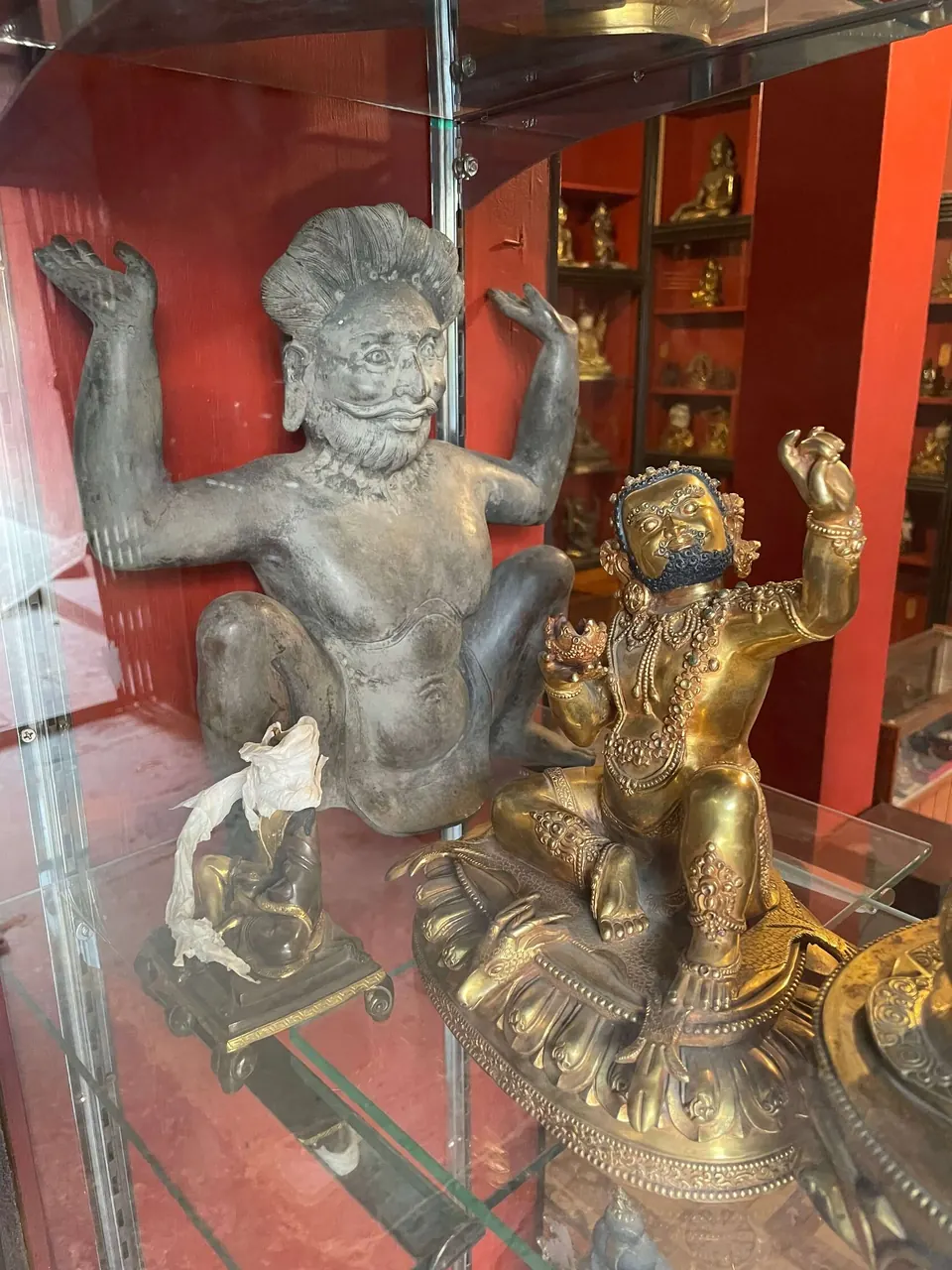
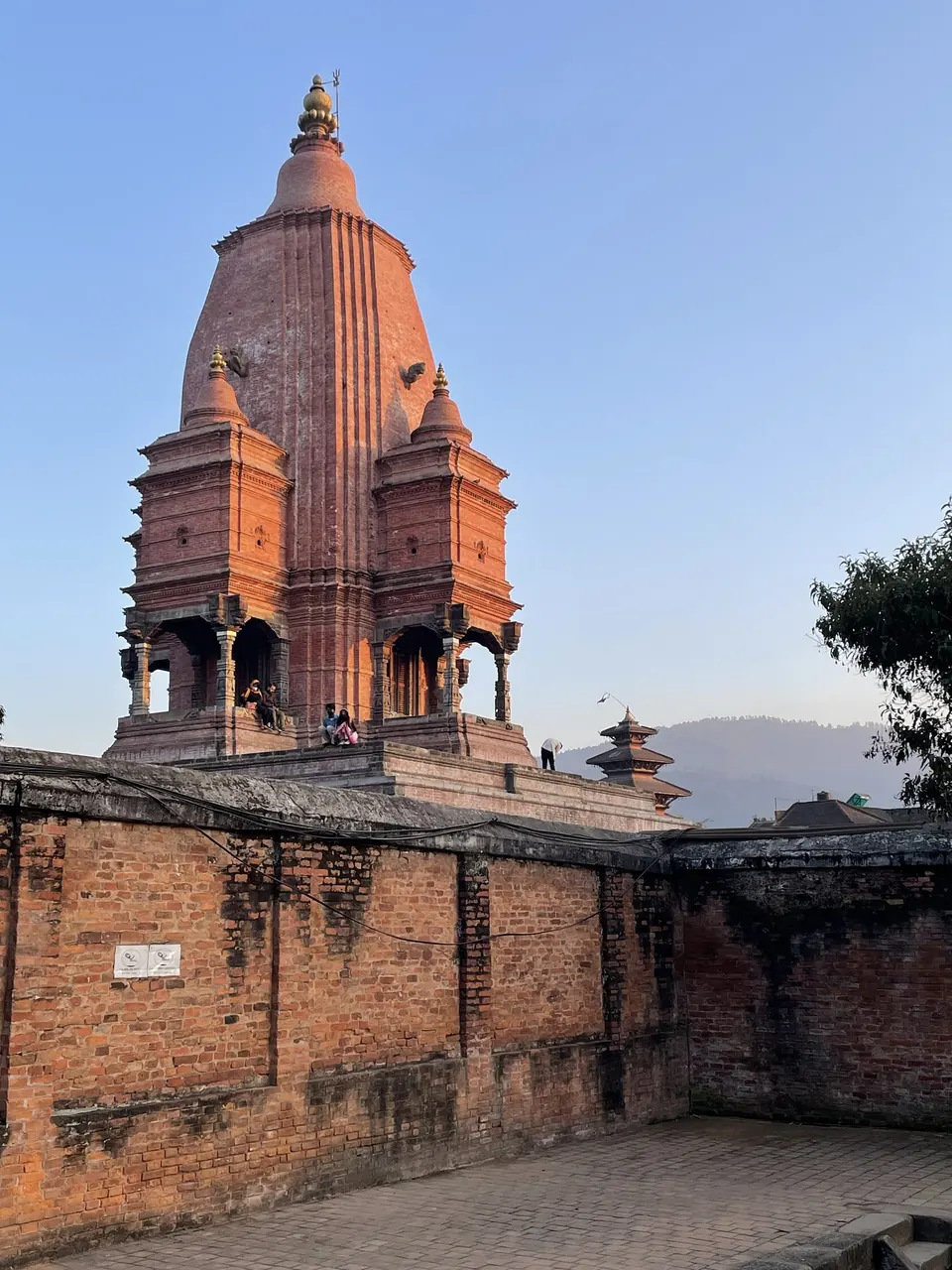
    – Architectural monuments, workshops, Buddhist temples, Durbar (royal) square
    – Newar cuisine tasting
    – Return, evening of sharing impressions
  6. Day 6

    Kirtipur and Namo Buddha

    Places of power where myths become experiences.
    – Aanandi Lokeshwar Temple (the Loving Eyes aspect) on Kirtipur Hill
    – Transfer to Namo Buddha: monastery, stone of self-sacrifice
    – Meditation in silence, sacred places along the way
    – Sleepover in a local hotel
  7. Day 7

    Namo Buddha

    Reflection, return.
    – Morning meditation at Namo Buddha
    – Visit to the temple, participation in a ceremony
    – Return to Kathmandu
    – Circle of insights
  8. Day 8

    Vajrayogini Temple in Sanghu

    – Visit to the upper and lower temple complexes of Vajrayogini (one of the oldest in the valley)
    – Practice and meditation on the hill
    – Descent via the ceremonial stone staircase to Sanghu and a short walk around the town
    – Return to Boudha, final dinner
  9. Days 9–10

    Days off

    Time to be alone with yourself.
    – Individual itineraries, consultations on request
    – Reflection, final discussions
    – Preparation for departure, exchange of contact details
Book a tour

Where will we stay?

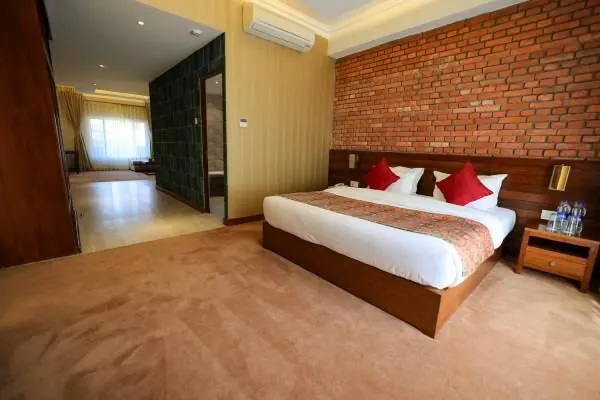
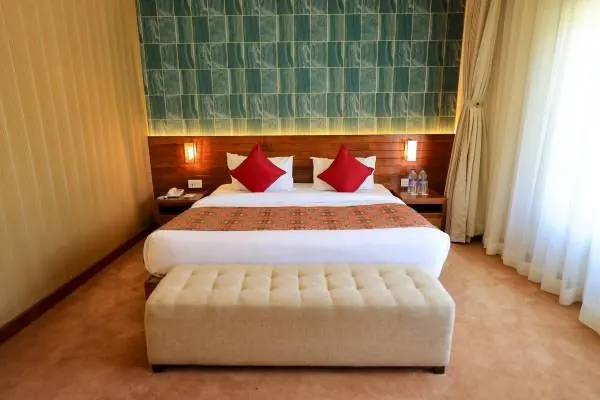
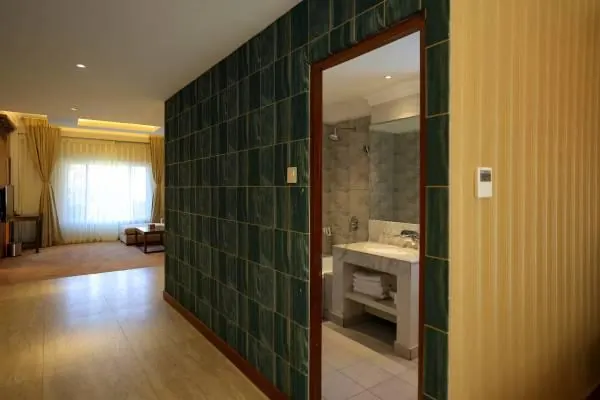
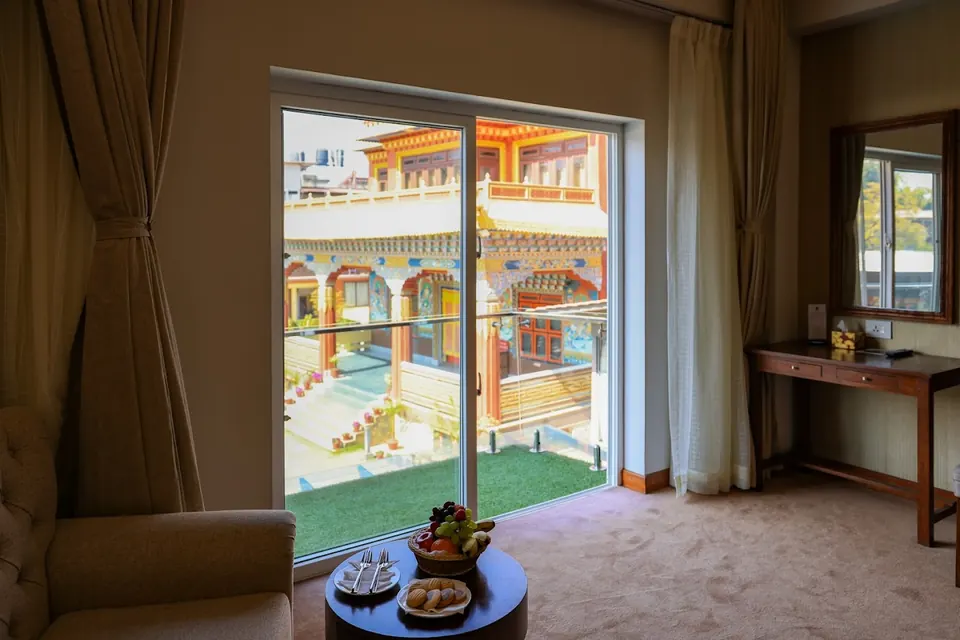
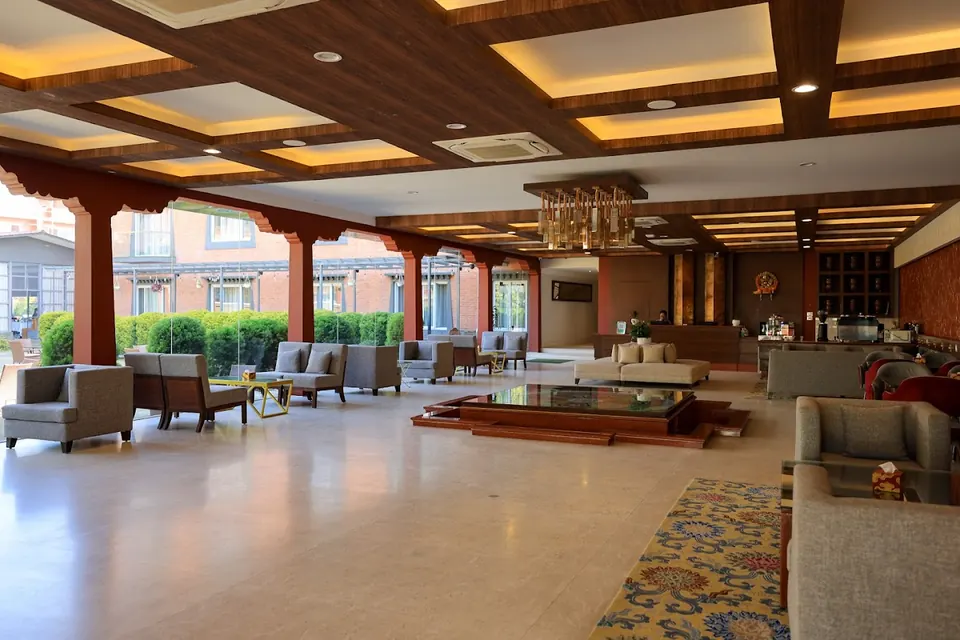
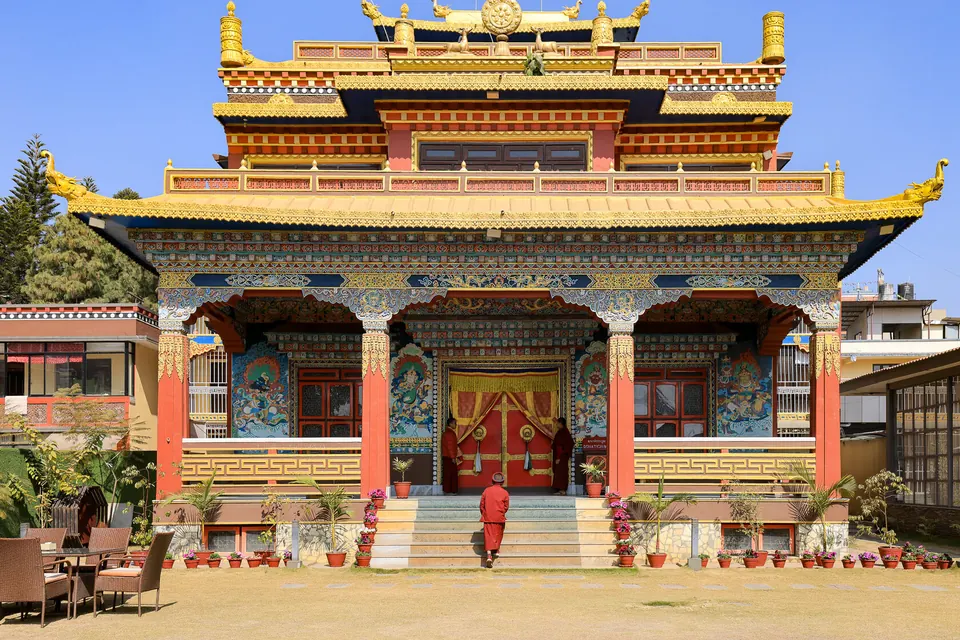
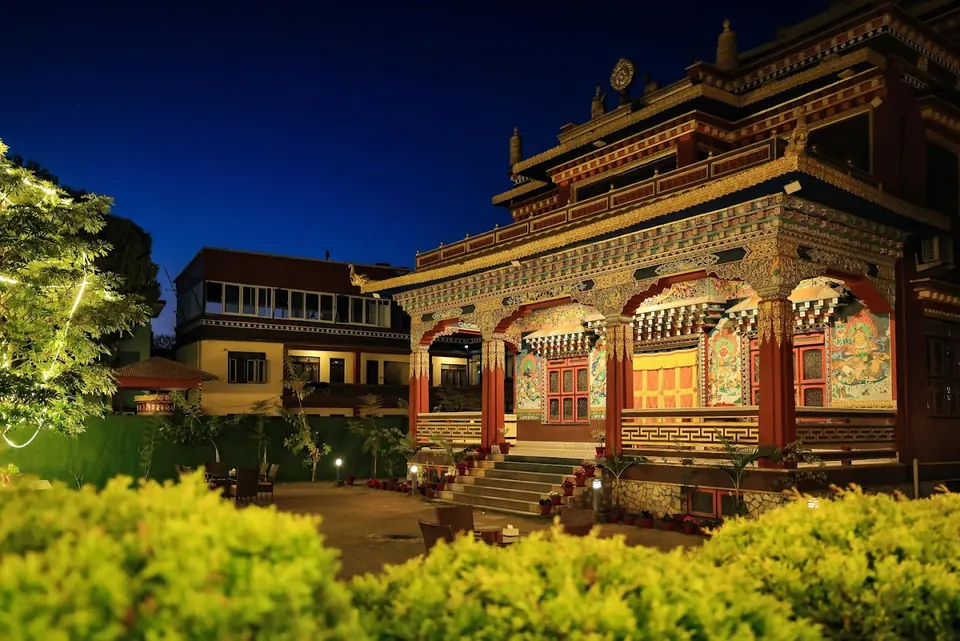
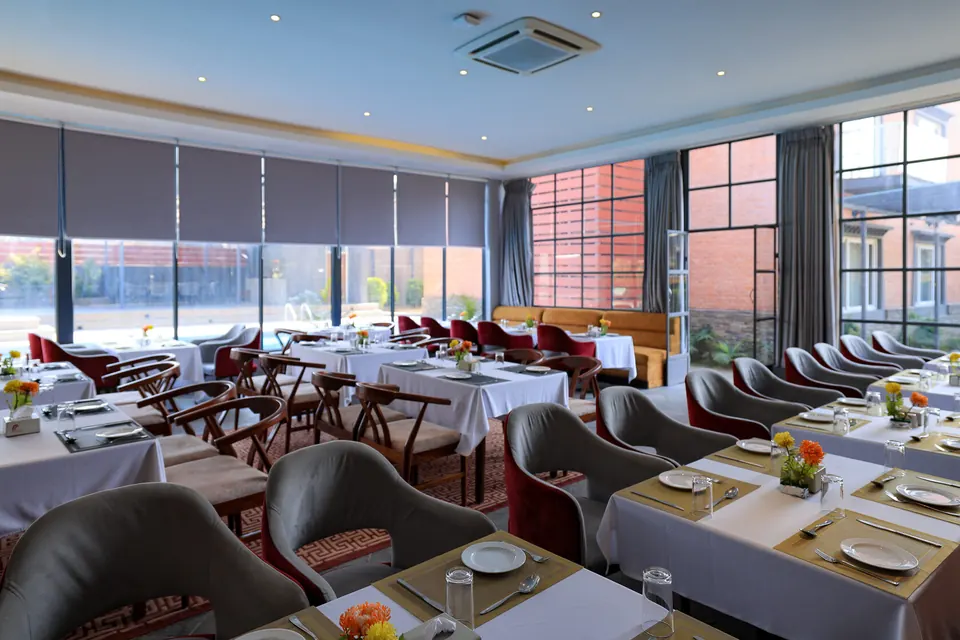
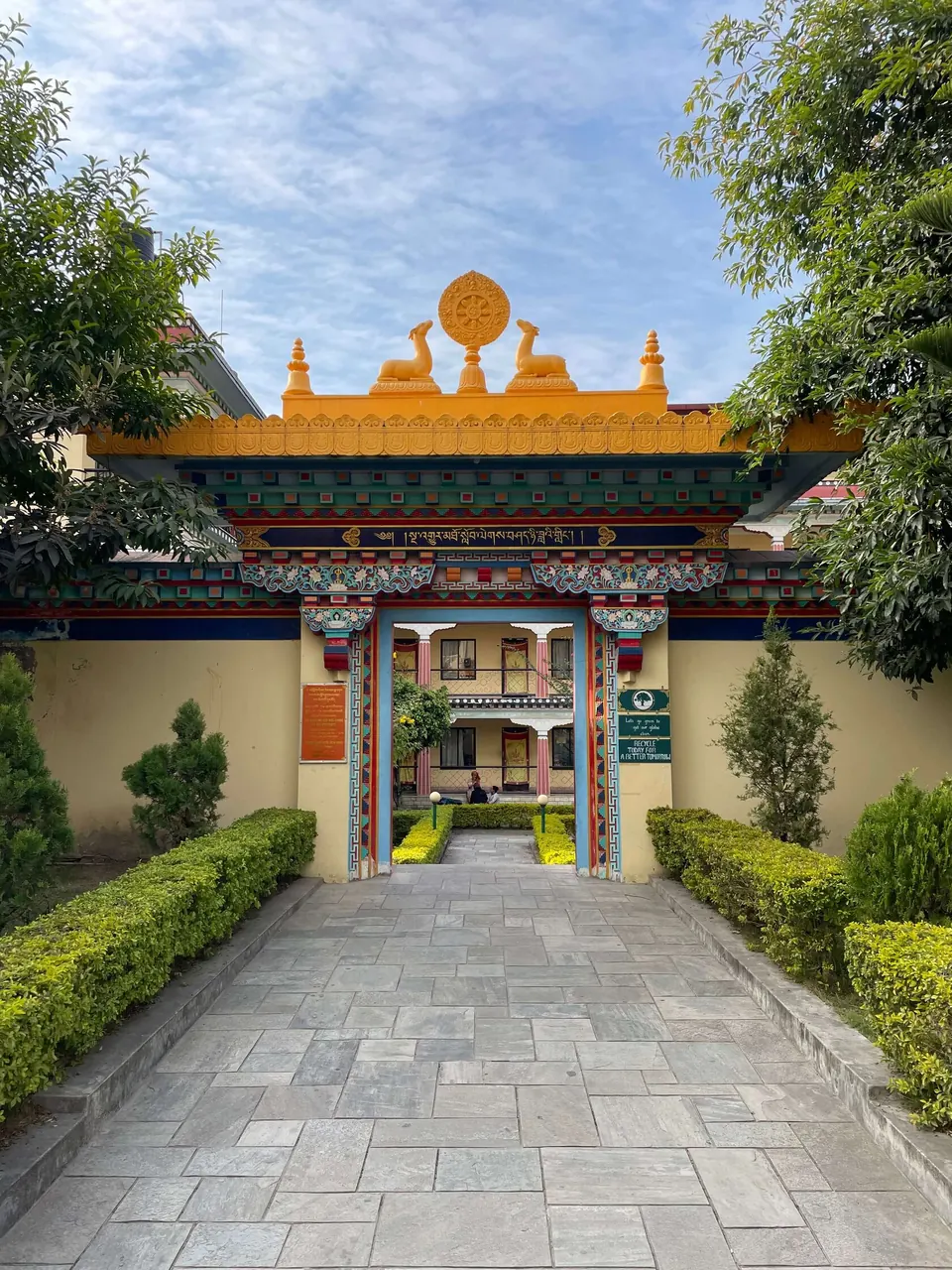
  • A cozy boutique hotel on the grounds of a former Buddhist monastery.
  • Accommodation for one or two people.
  • Founded by Palnge Monastery, hotel is a non-profit initiative that directly supports the well-being of 300–350 monks by providing them with education, healthcare, shelter, and daily essentials.

Guides

Format and everyday life

The price

The price is by a request.

Save your place now! There are only a few left.

The price includes: accommodation, breakfasts, transfers, all activities and excursions, guide services, welcome kit.

Save your place
Do you need to be in special physical shape?
Quite basic: the longest routes are up to 6 km per day.
What clothes should I bring?
May as well as October is the (almost) dry seasons in Kathmandu: daytime temperatures usually range from 20 to 23 °C, while nighttime temperatures can drop to 12 °C. The rains have mostly not started or already ended by this time, and evenings can be cool.

Comfortable shoes for walking and trekking, shorts/pants, and layered clothing (T-shirt + sweater/fleece + windbreaker) are recommended.

Also, the sun is quite strong in the mountains, so a hat and sunglasses are a good idea.
Will there be free time?
Yes, at least three half-days without a program and two days at the end for exploring the city on your own.
Is it necessary to know meditation?
No, we will explain all the techniques from scratch.
How are things going with hygiene?
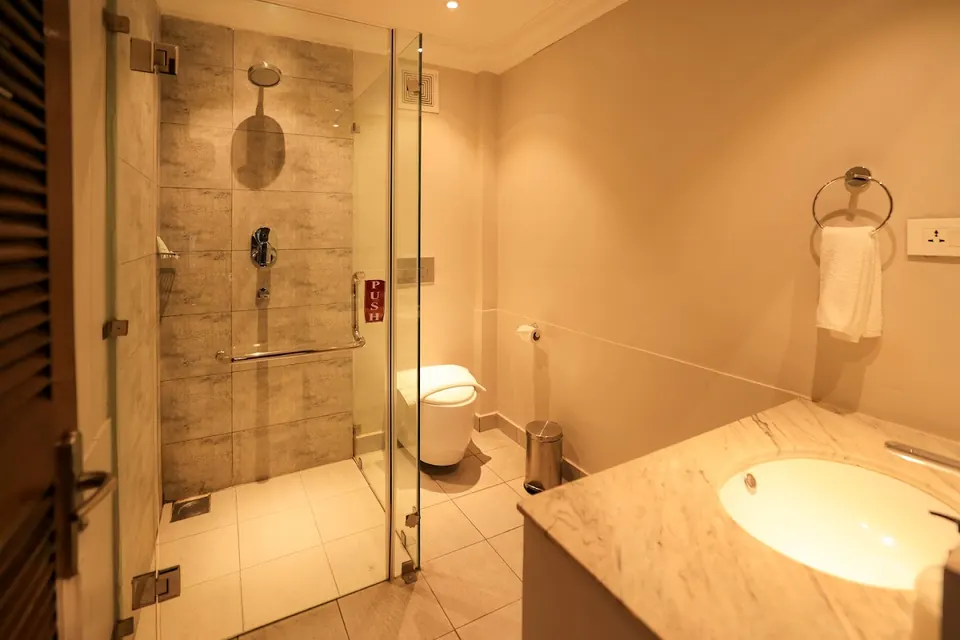
Hygiene standards in Nepal are different from what we are used to. Tap water is not drinkable — we only use bottled water, which is sold on every corner. Fruit and vegetables are best eaten washed or peeled. We will be staying near Boudha, in a good hotel with hot water and clean rooms, so basic comforts will be provided.

It is worth carrying hand sanitizer and wet wipes with you. If you take a relaxed approach and follow simple precautions, everything will be fine.
Get your spot!