"Kagyu Kathmandu" TourBook a tour

"Kagyu Kathmandu" Tour

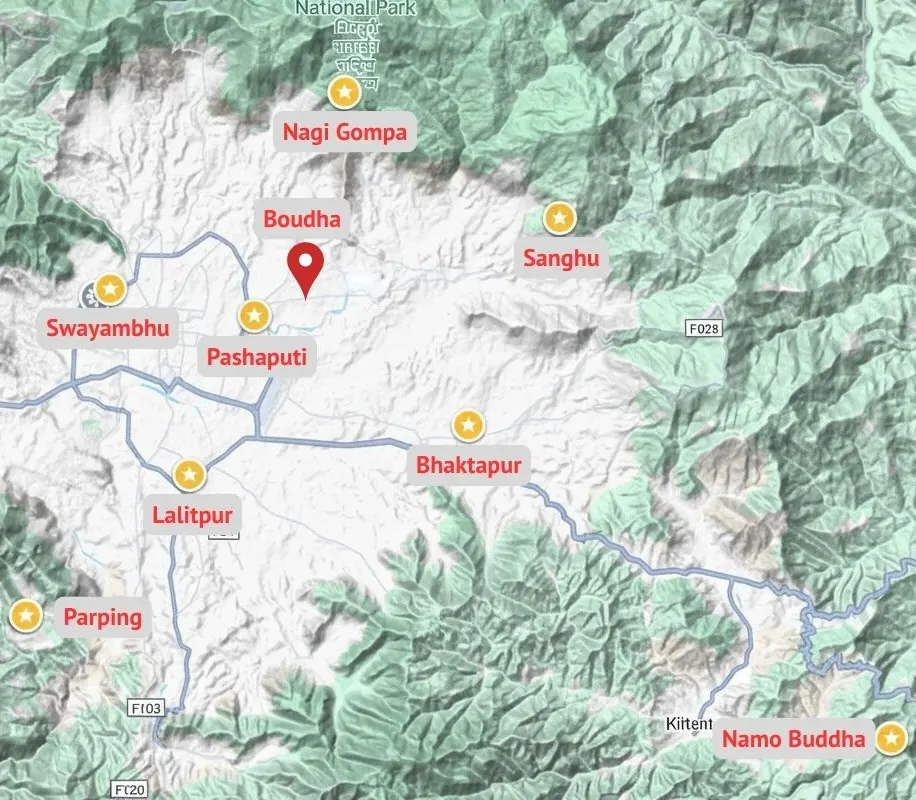
A journey for Kagyu practitioners: key sites of the transmission lineage and living newar culture in the Kathmandu valley

Join the tour!

Why Kathmandu?

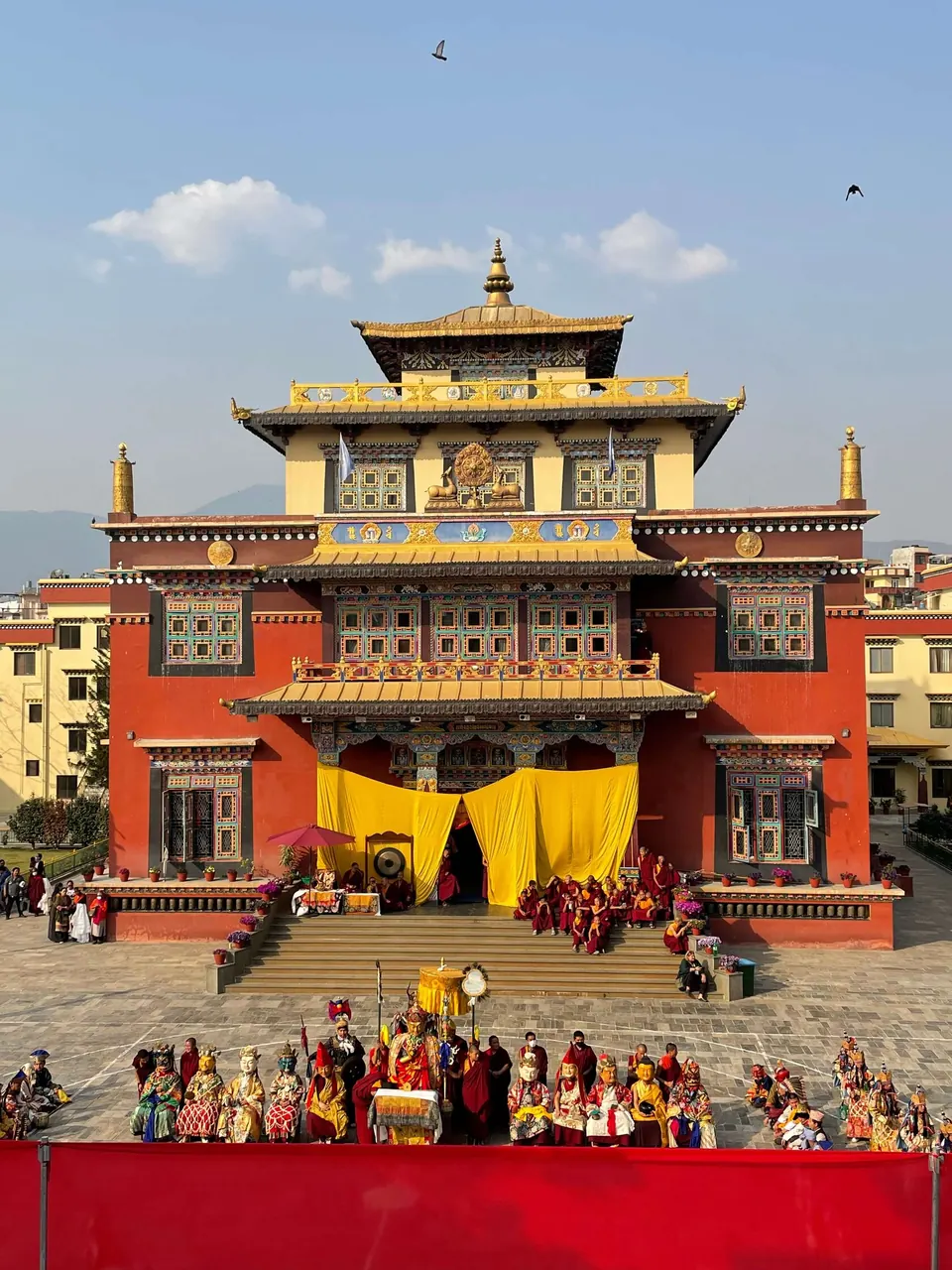
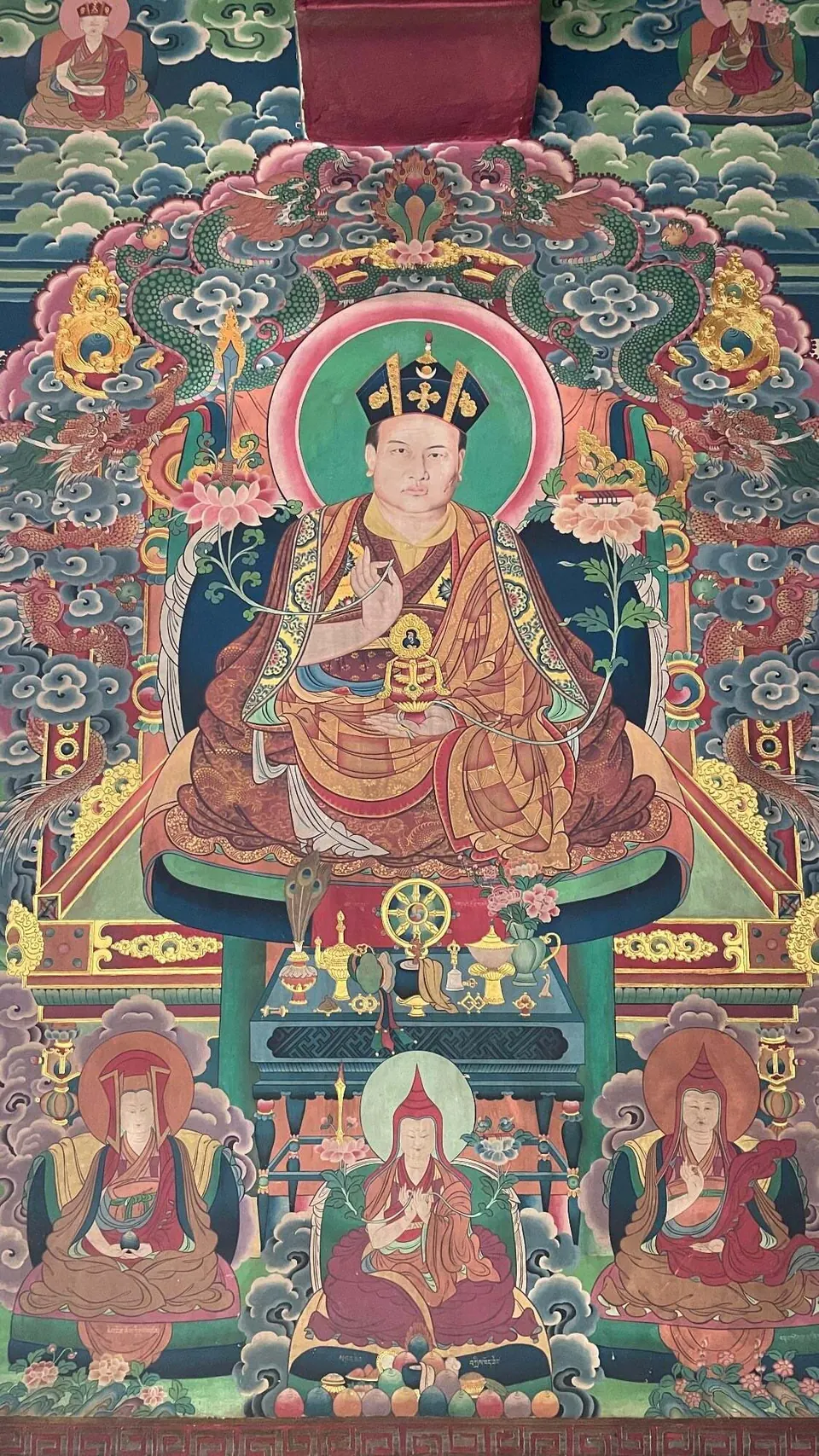
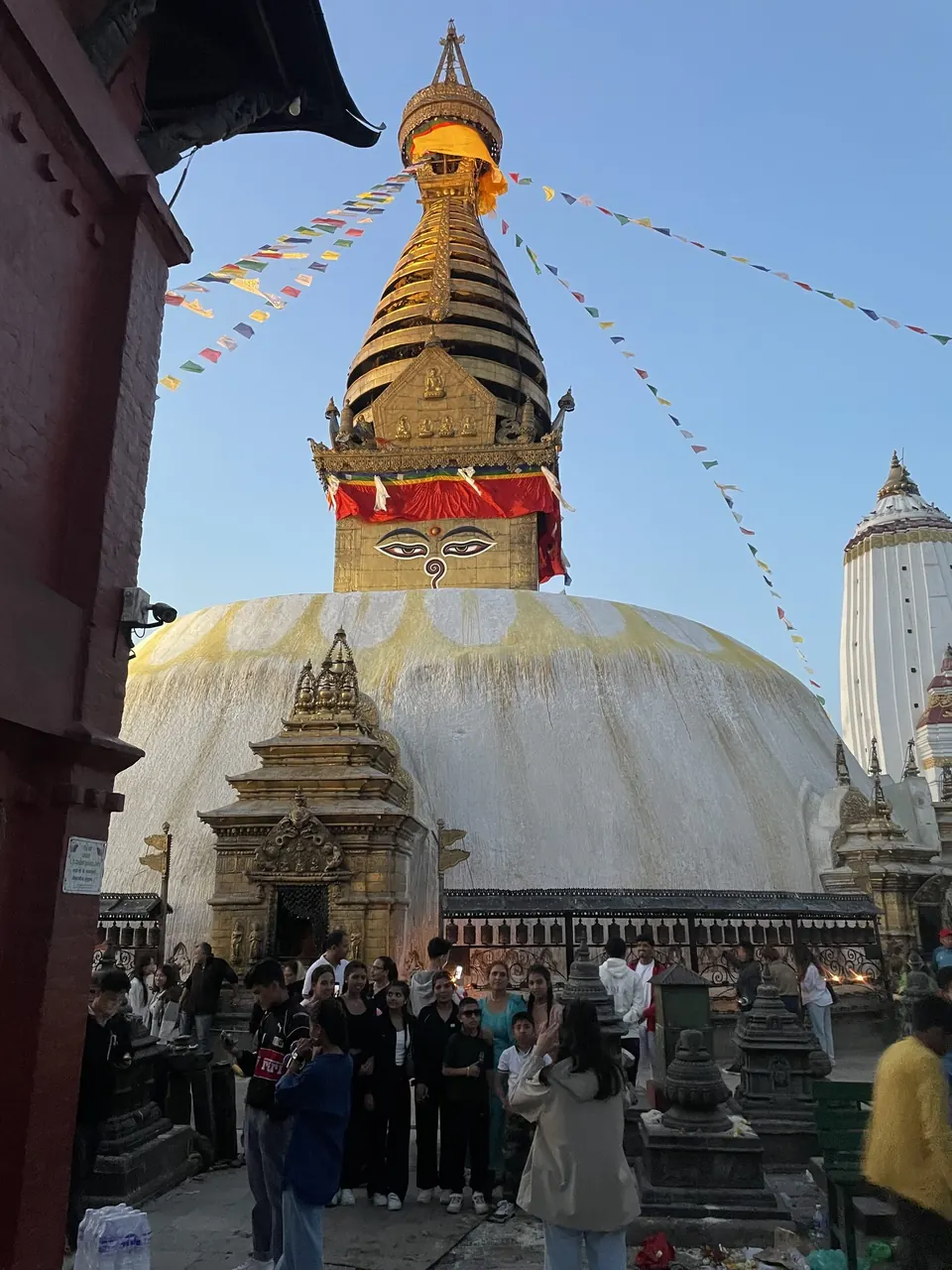
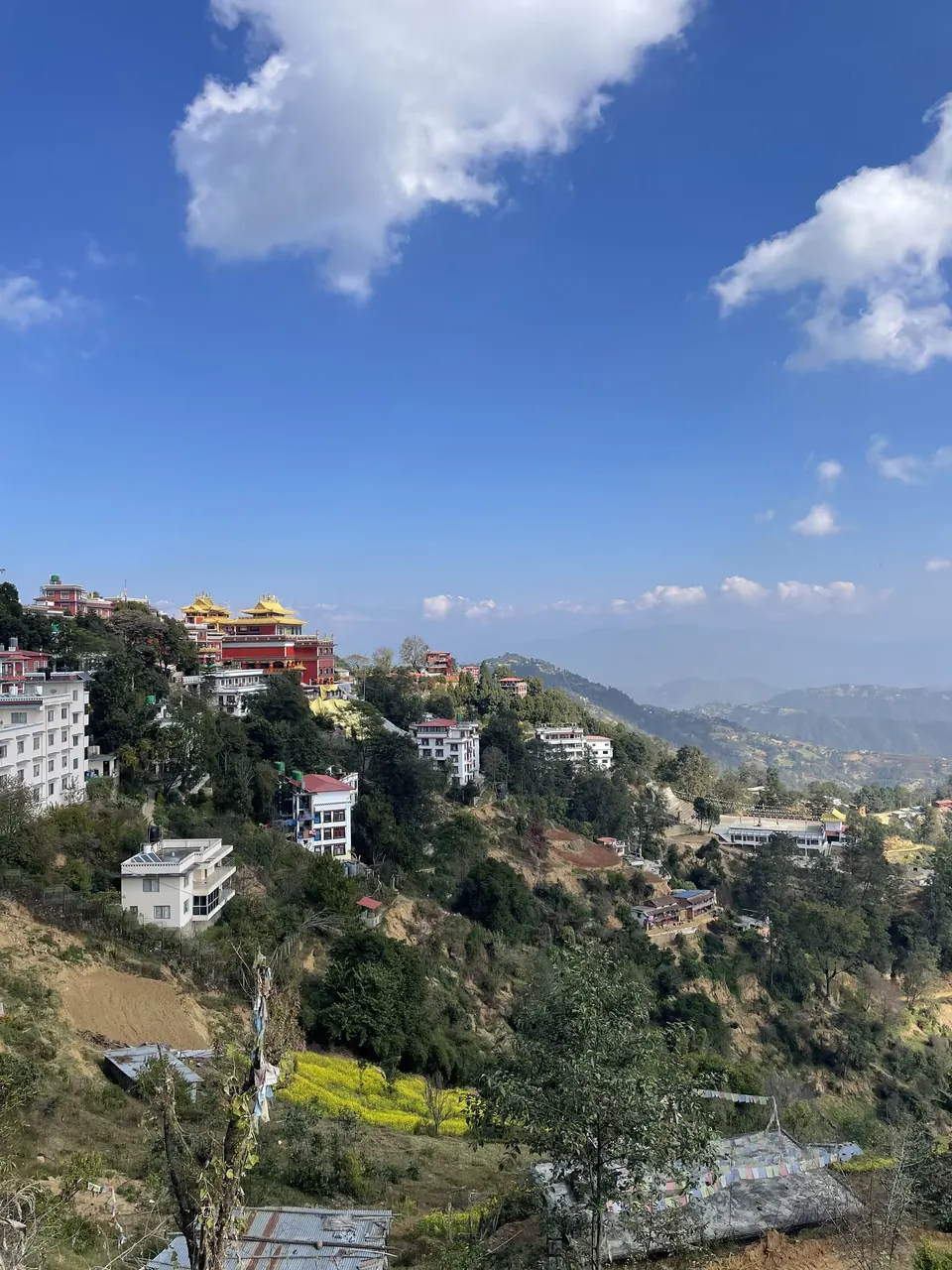
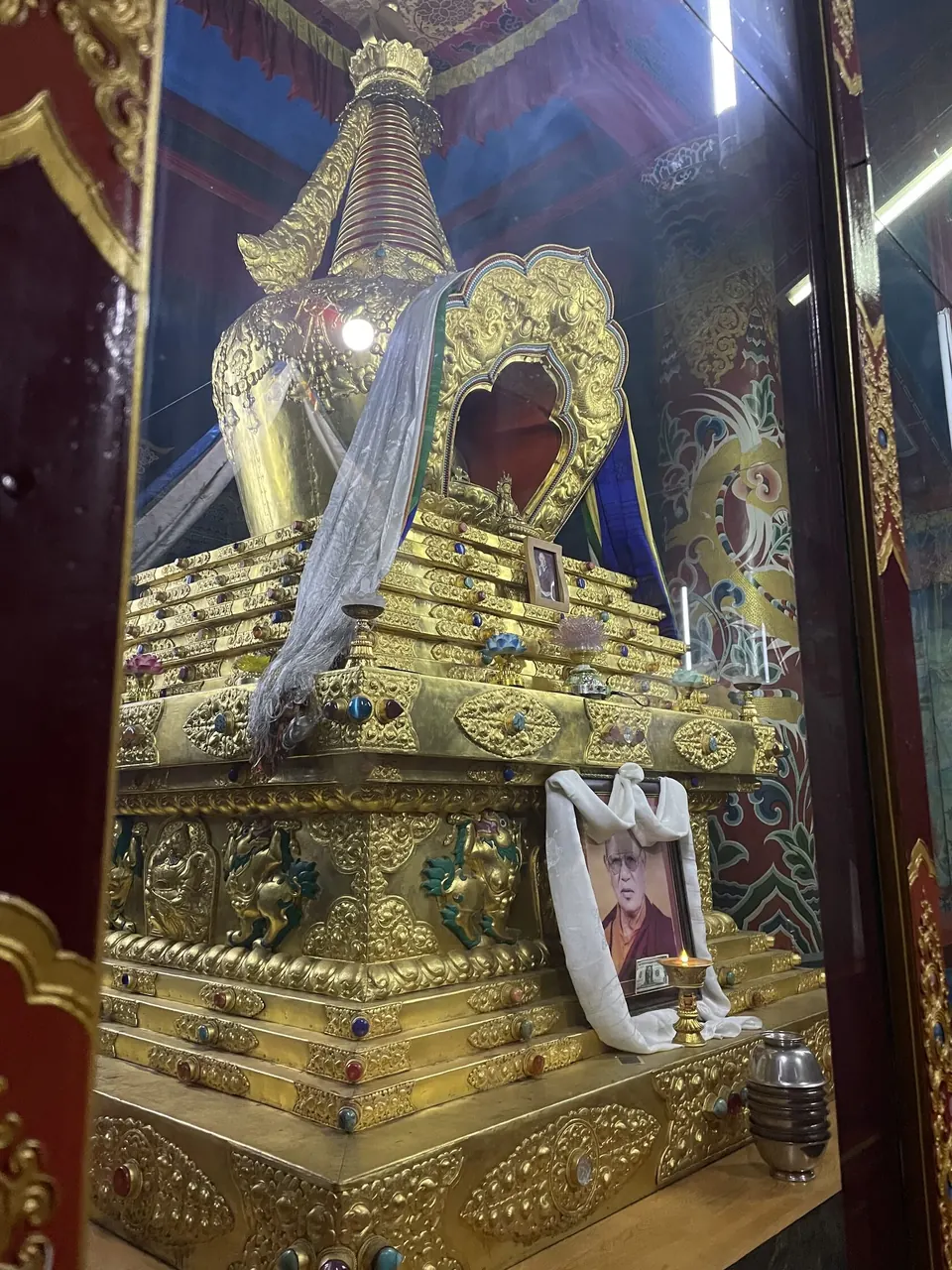
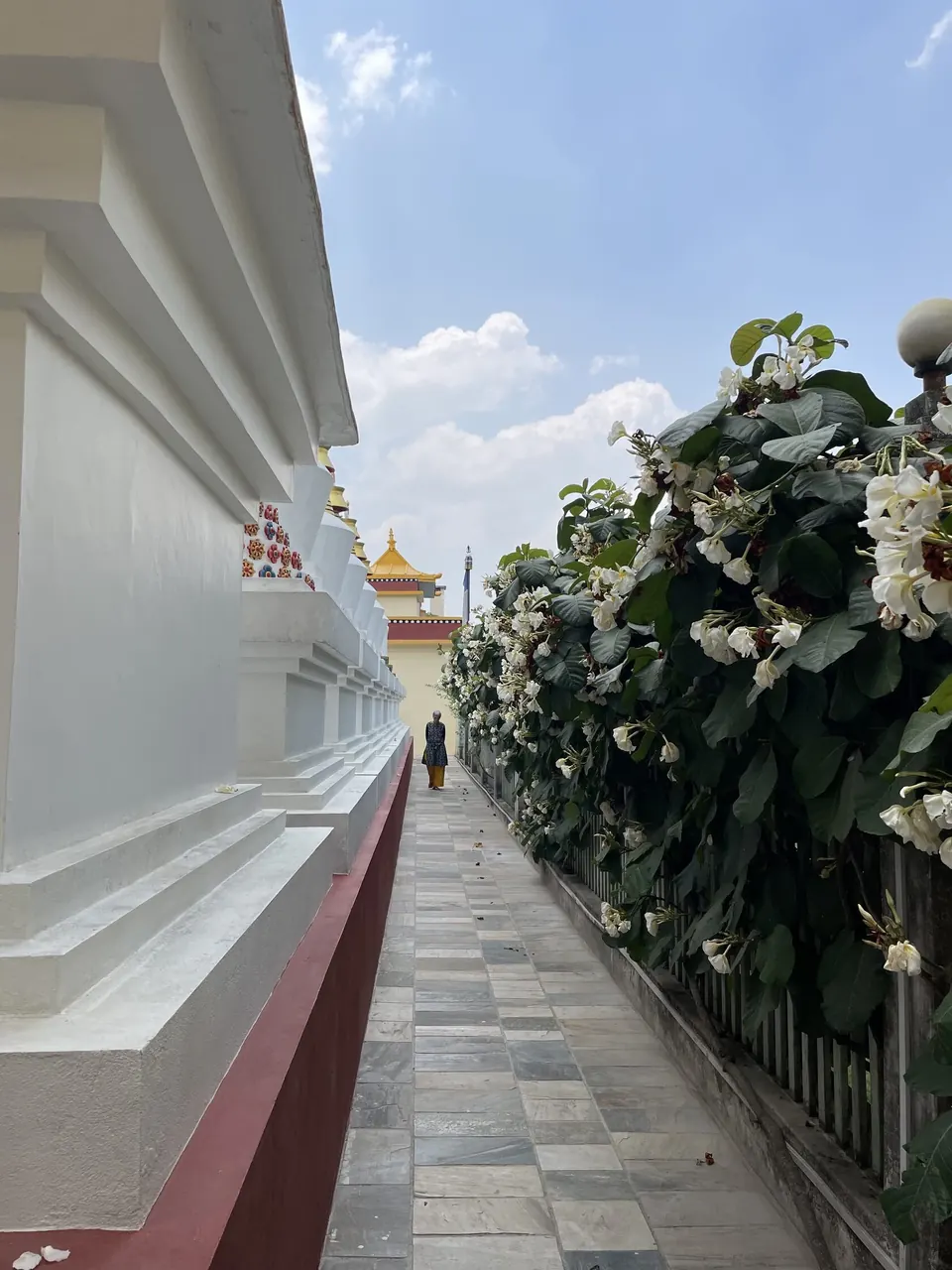
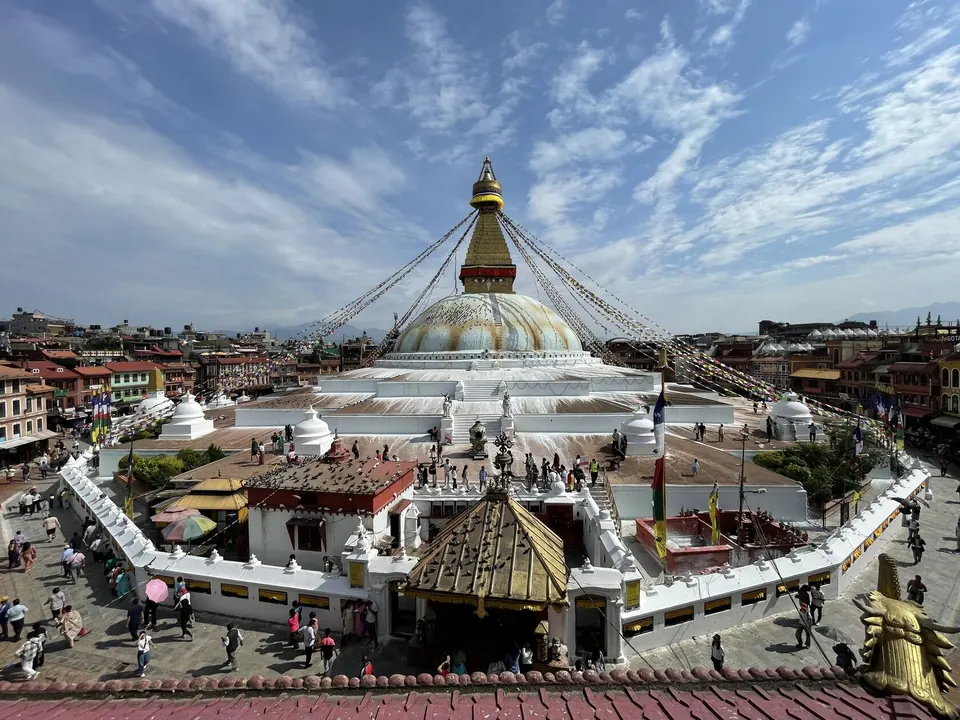
The Kathmandu Valley is home to many key sites of the Kagyu lineage: stupas and monasteries associated with the 16th Karmapa, Shamar Rinpoche and other masters, as well as the stupas of Bodnath and Swayambhu, recognized as jewels of the Buddhist world. There are also monasteries of other schools of Tibetan Buddhism, whose teachers worked closely with the 16th Karmapa and held parts of the Kagyu transmission.

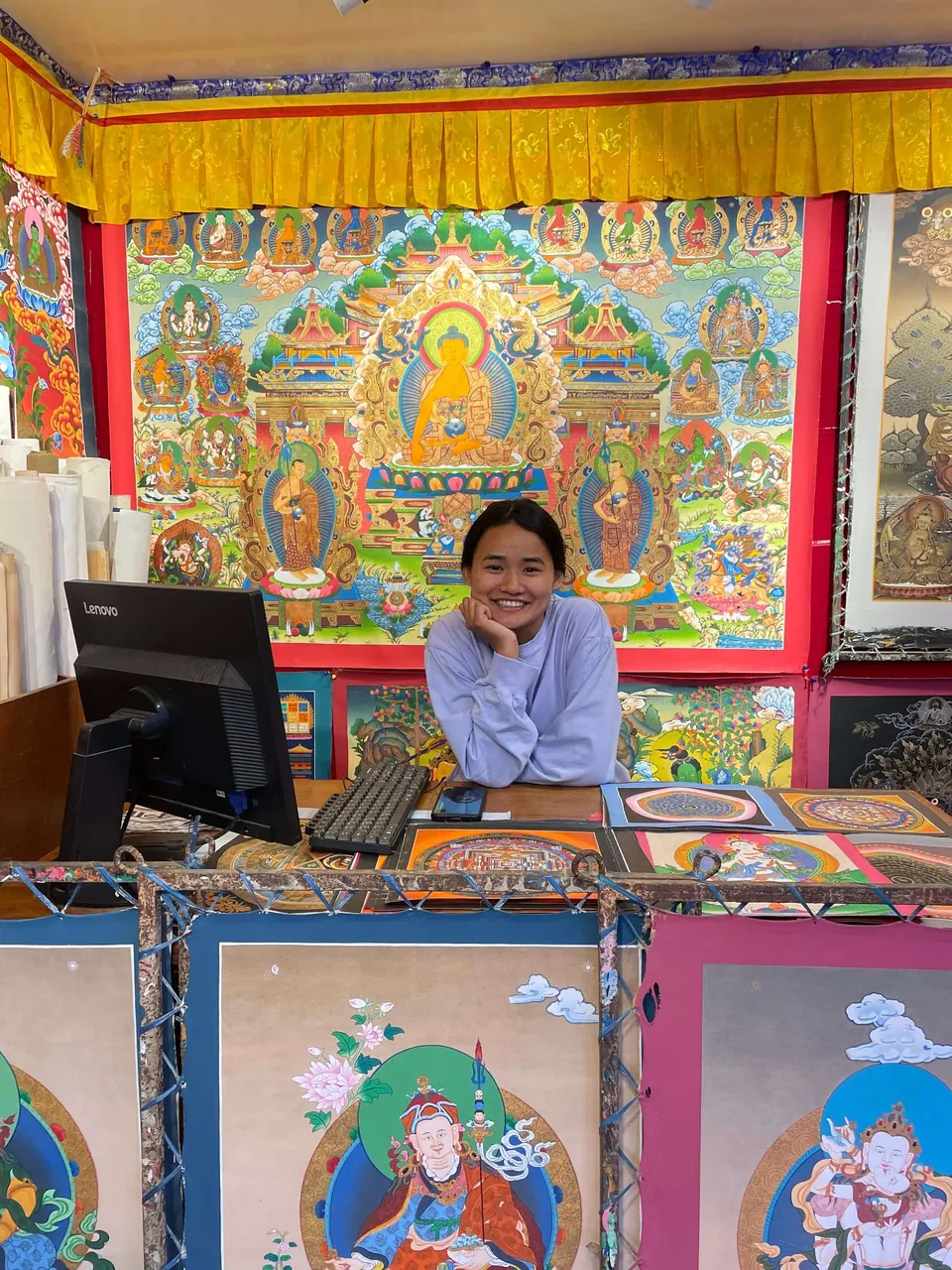
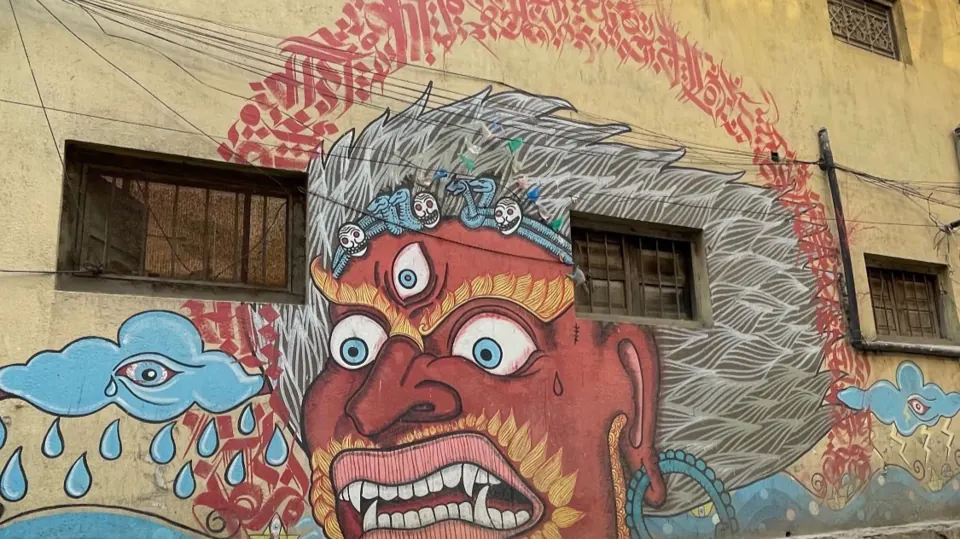
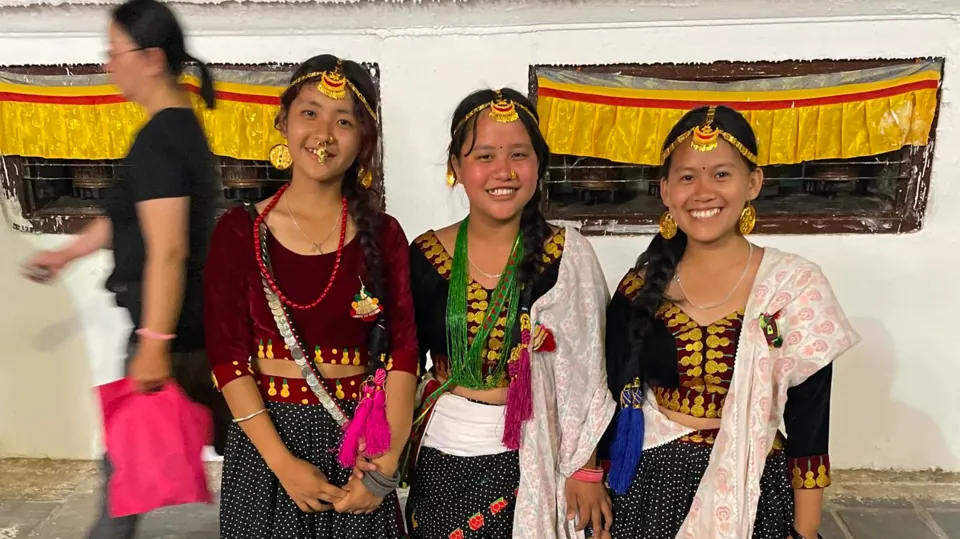
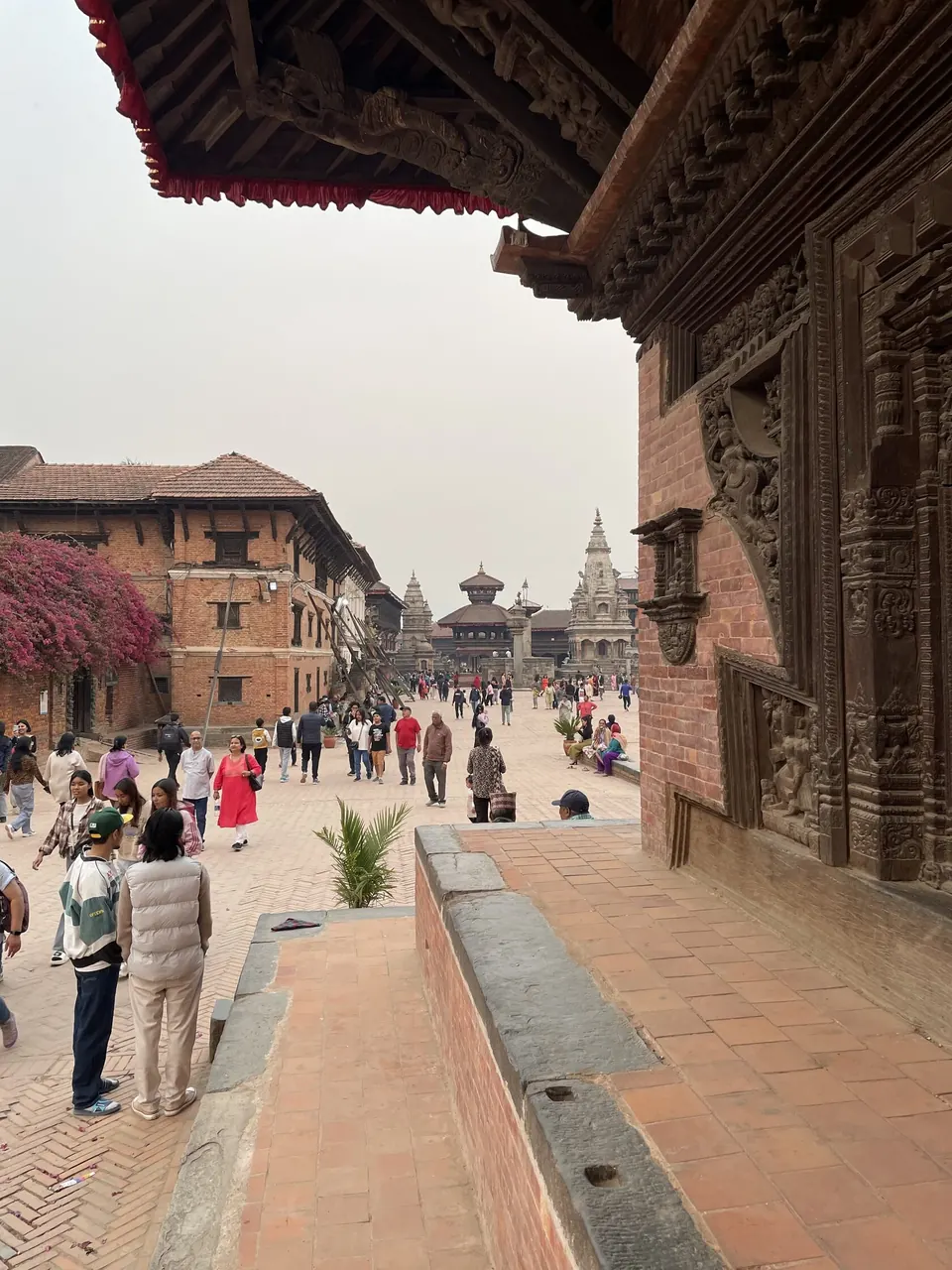
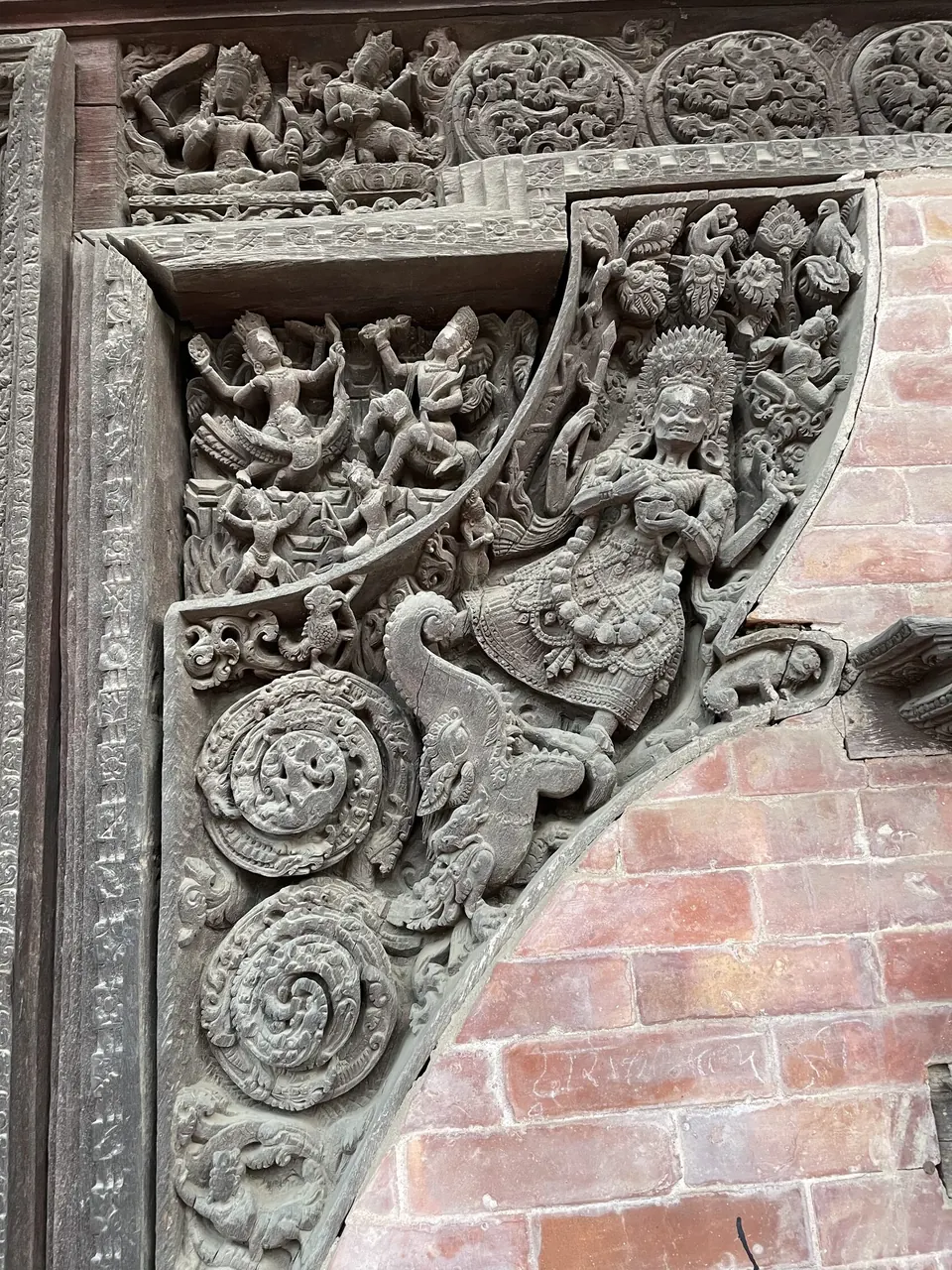
A distinctive feature of the valley is the Nevar culture, which developed its own form of Vajrayana Buddhism from the beginning of the first millennium. It influenced architecture, art, and rituals, creating a unique appearance where practice and culture are intertwined.

Journey dates
March 20-29
May 1-9

10 full days in the Kathmandu Valley.
22 places to visit: stupas, monasteries, meditation caves, World Heritage Sites, museums. Time to connect with the places through personal practice and group meditations. Friendly conversations and sharing experiences.
Want to go!

What will participation bring?
4 good reasons to go

Key monasteries, stupas and caves in the valley associated with the masters of the Kagyu lineage

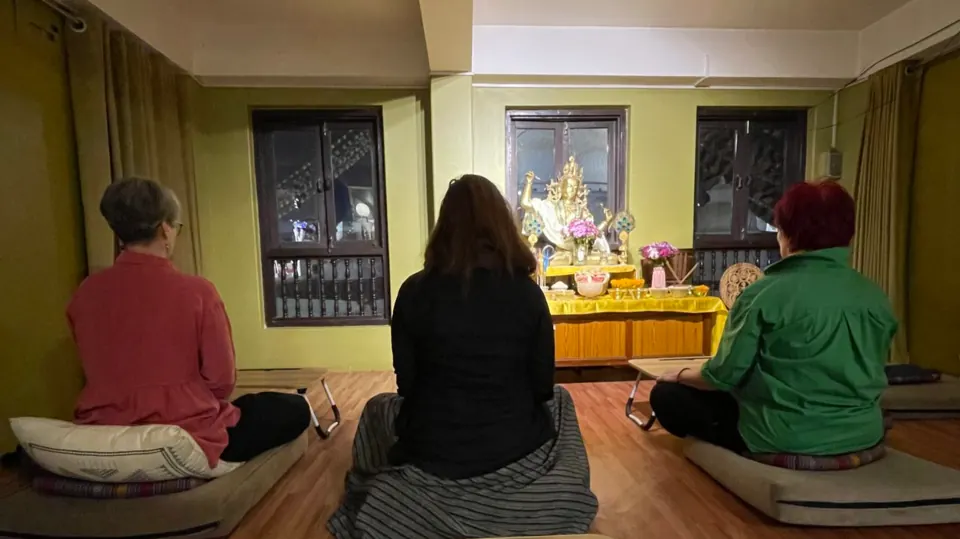
The opportunity to practise in every place — in personal or group meditation

Experience the unique Nevar culture

Share experiences with friends on the way

Day-by-day programme

  1. Day 1

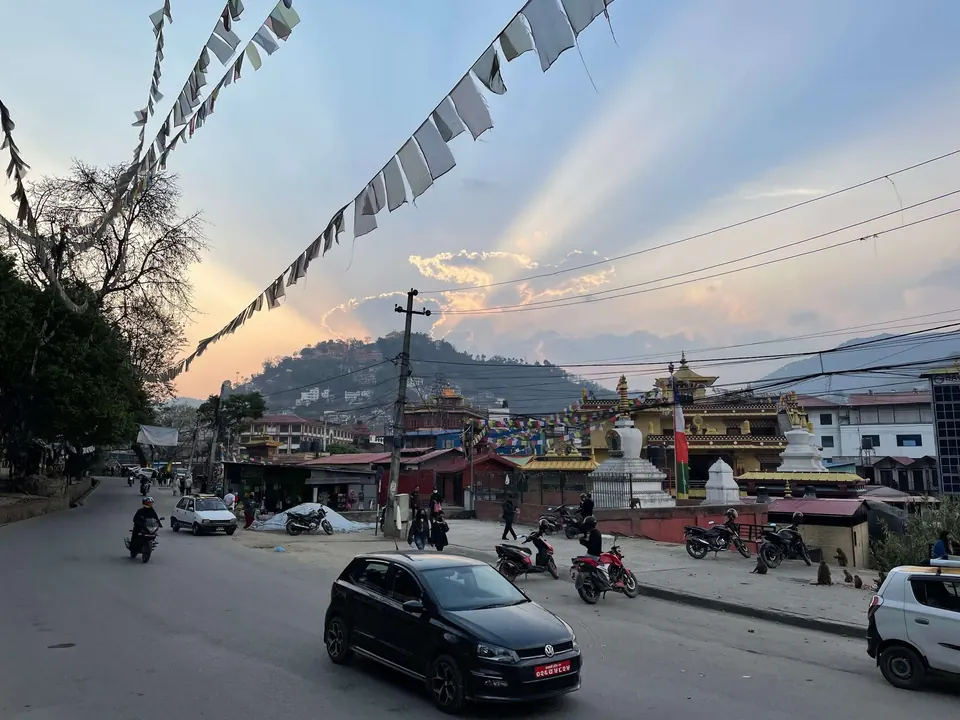
    Arrival at Boudha, gathering of the group

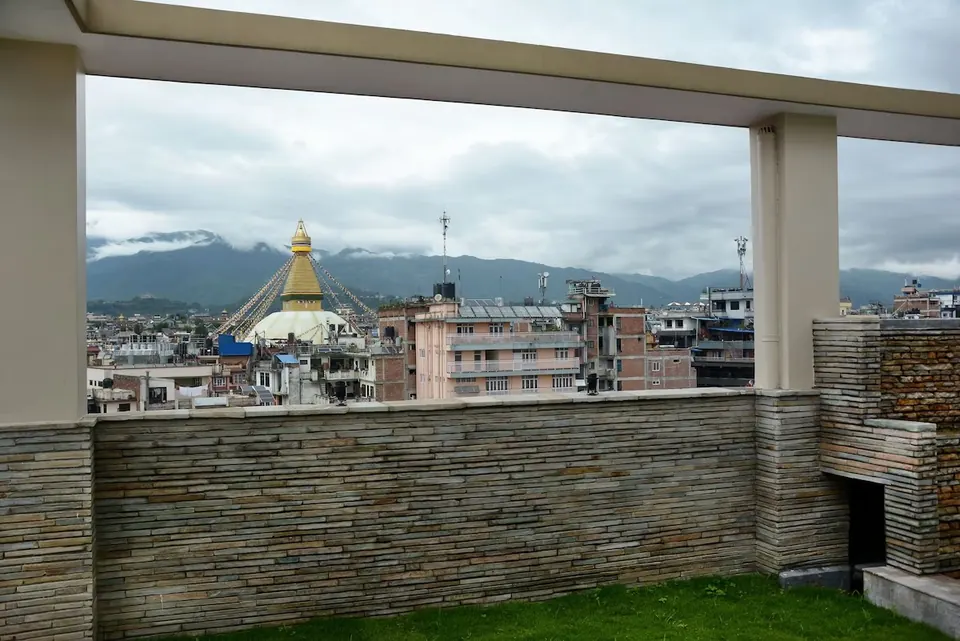
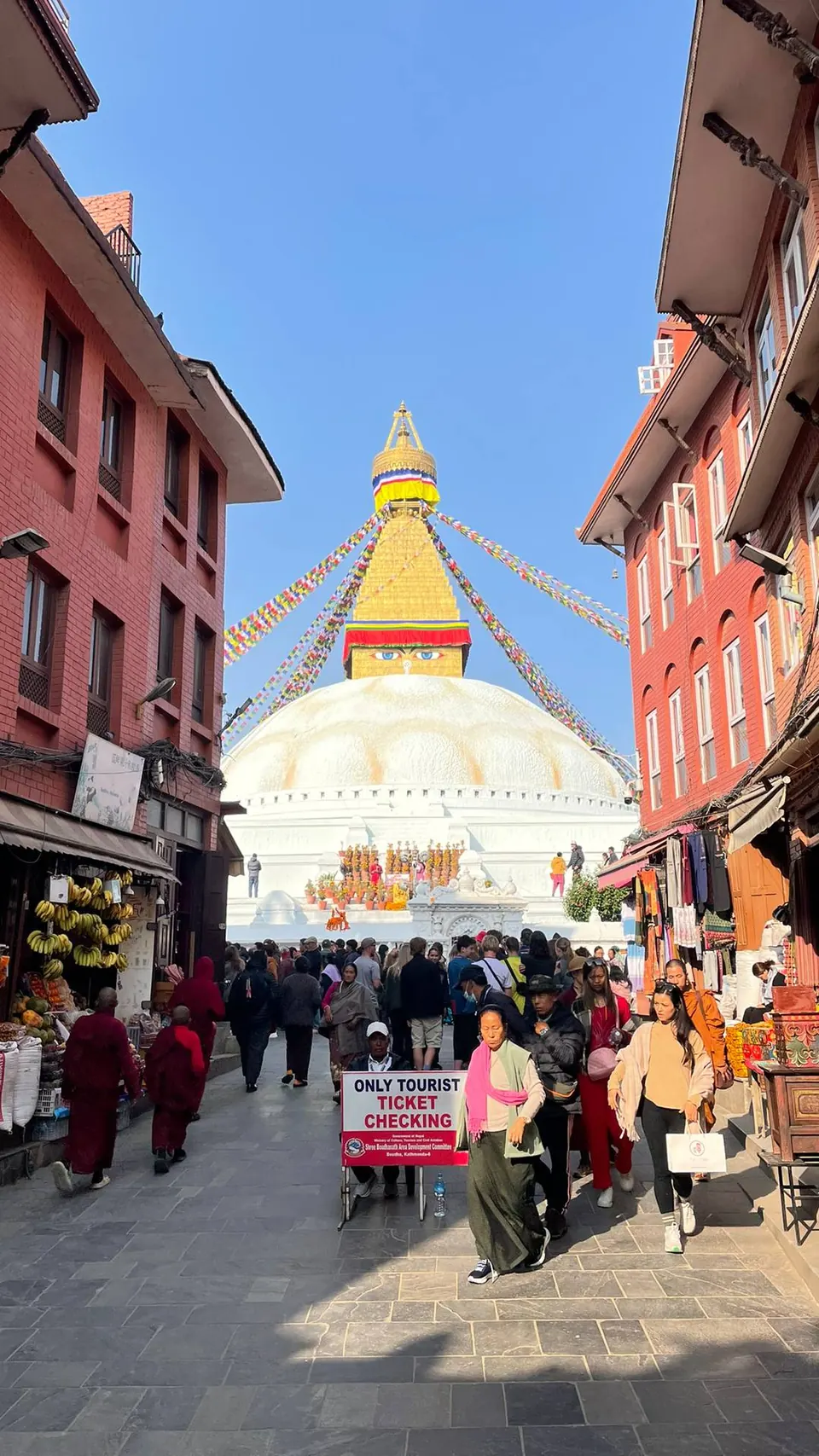
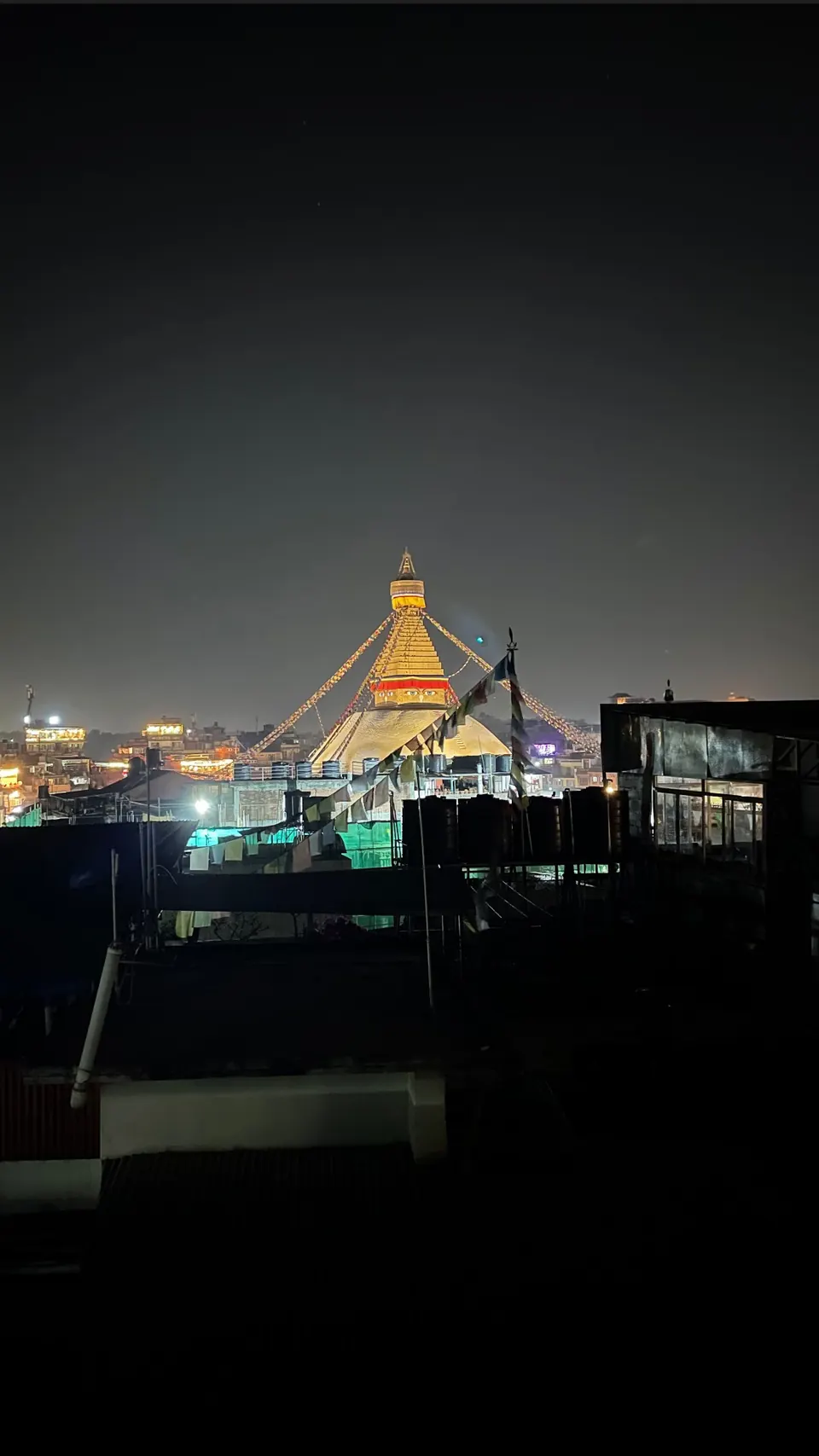
    • We arrive in Kathmandu and immediately find ourselves in the heart of the Tibetan quarter — at the Boudhanath stupa,
    • We check into a hotel near the stupa so that we can immerse ourselves in the atmosphere right from the start,
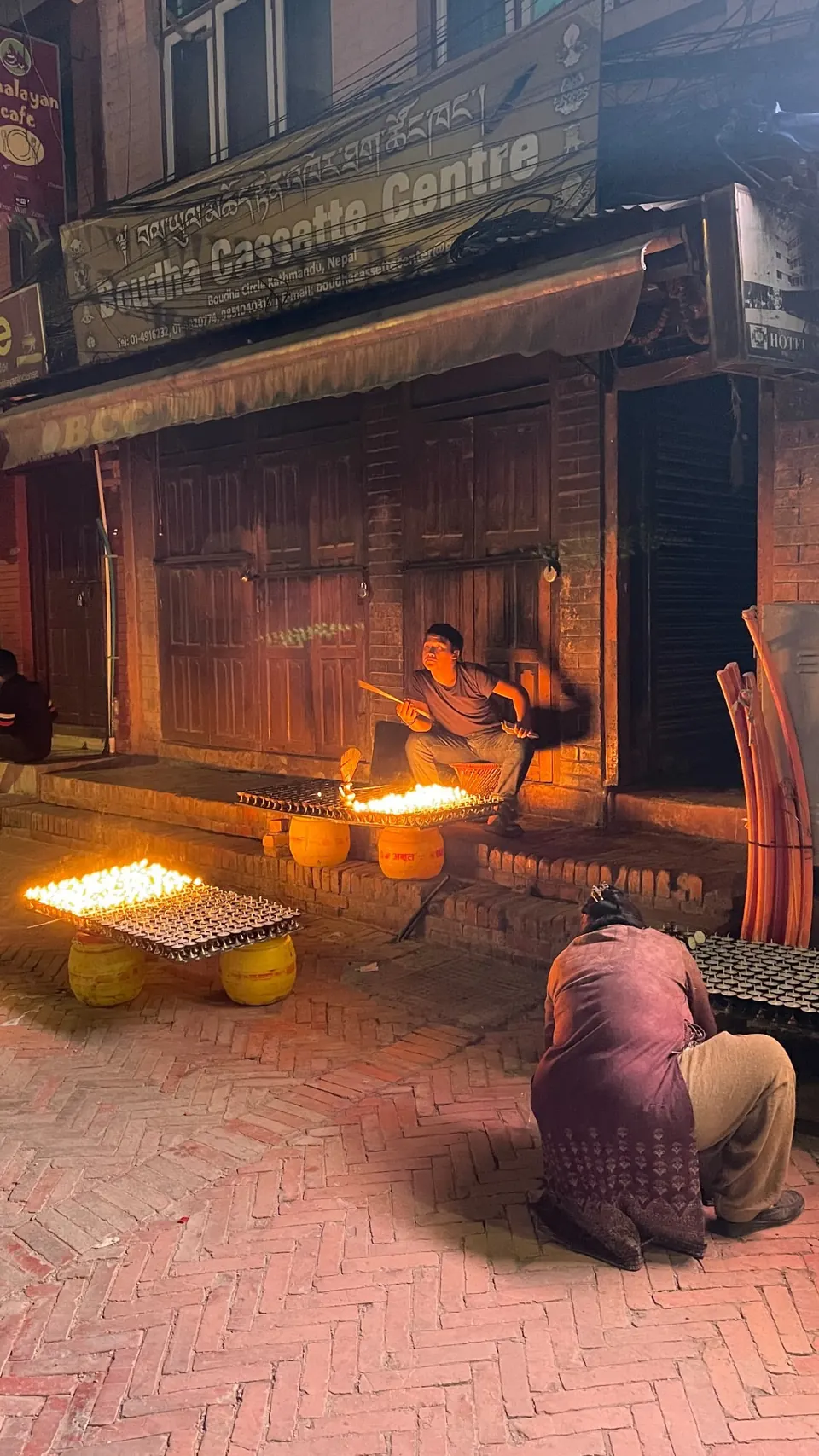
    • In the evening, we take a leisurely stroll around Boudha, the first kora, to get in the mood for the journey ahead.
  2. Day 2

    Boudha neighbourhood

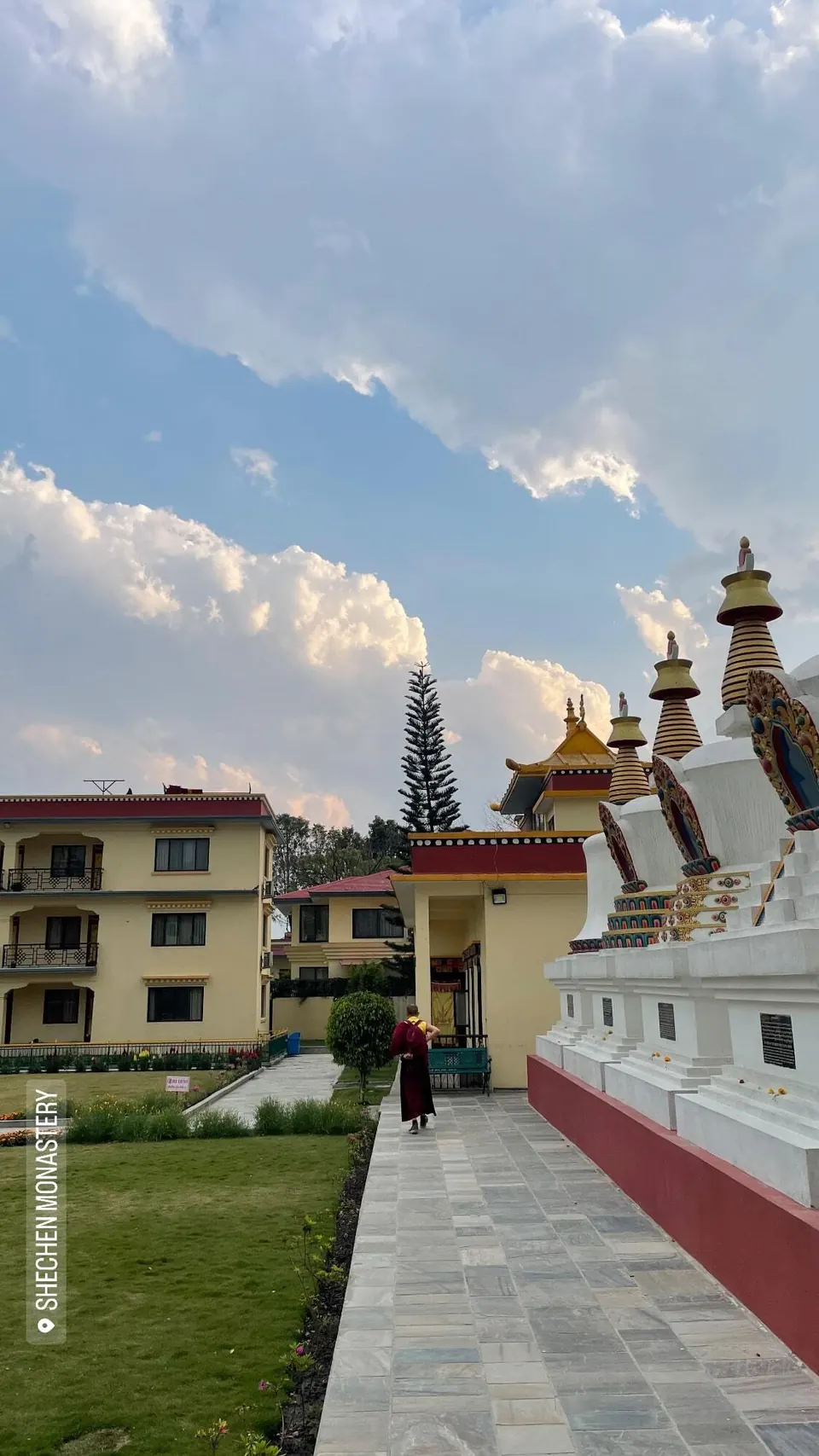
    • Start with the visiting of Shechen monastery with a memorial stupa of Dilgo Khyentse Rinpoche, where we will have time for meditation,
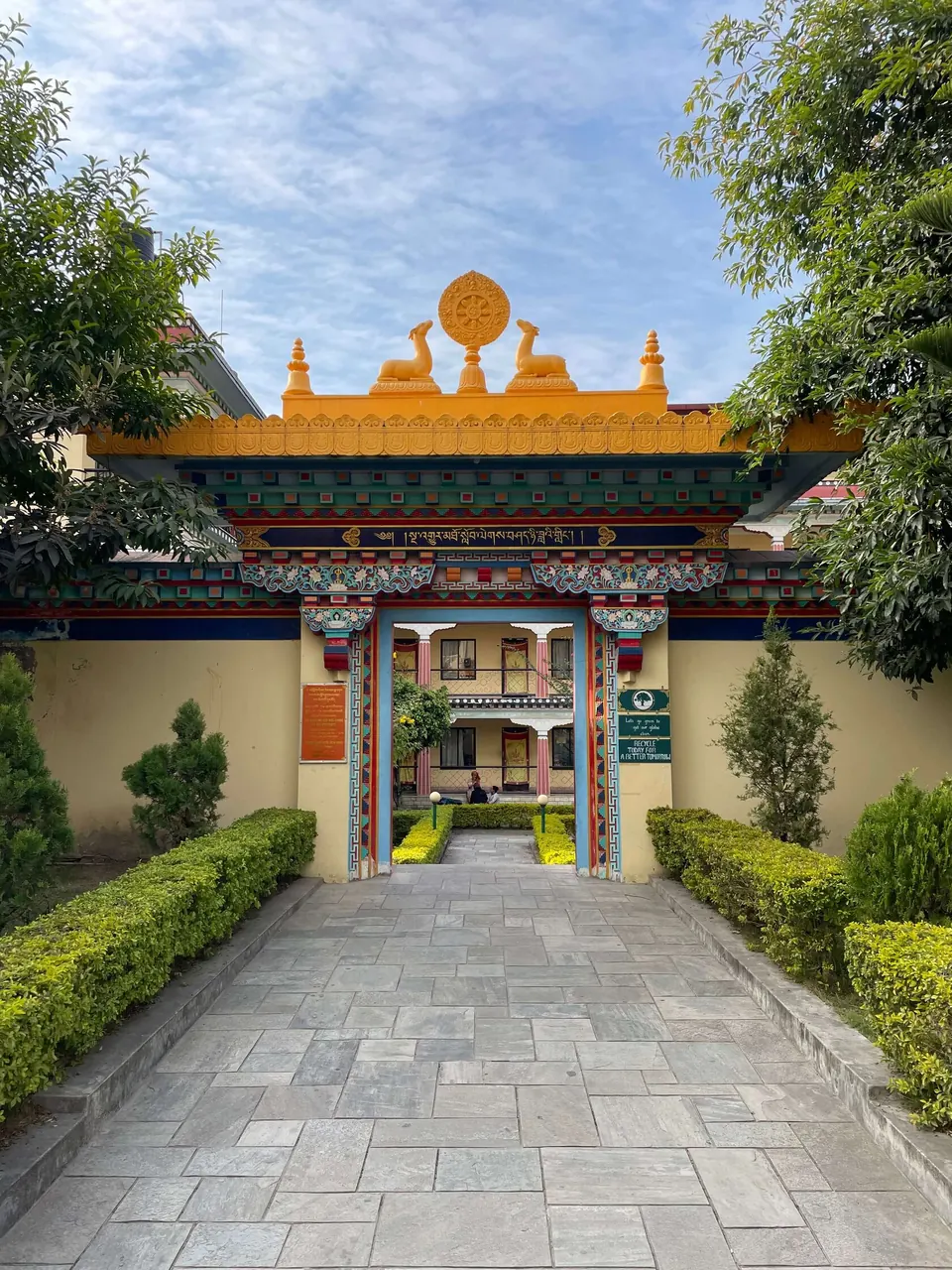
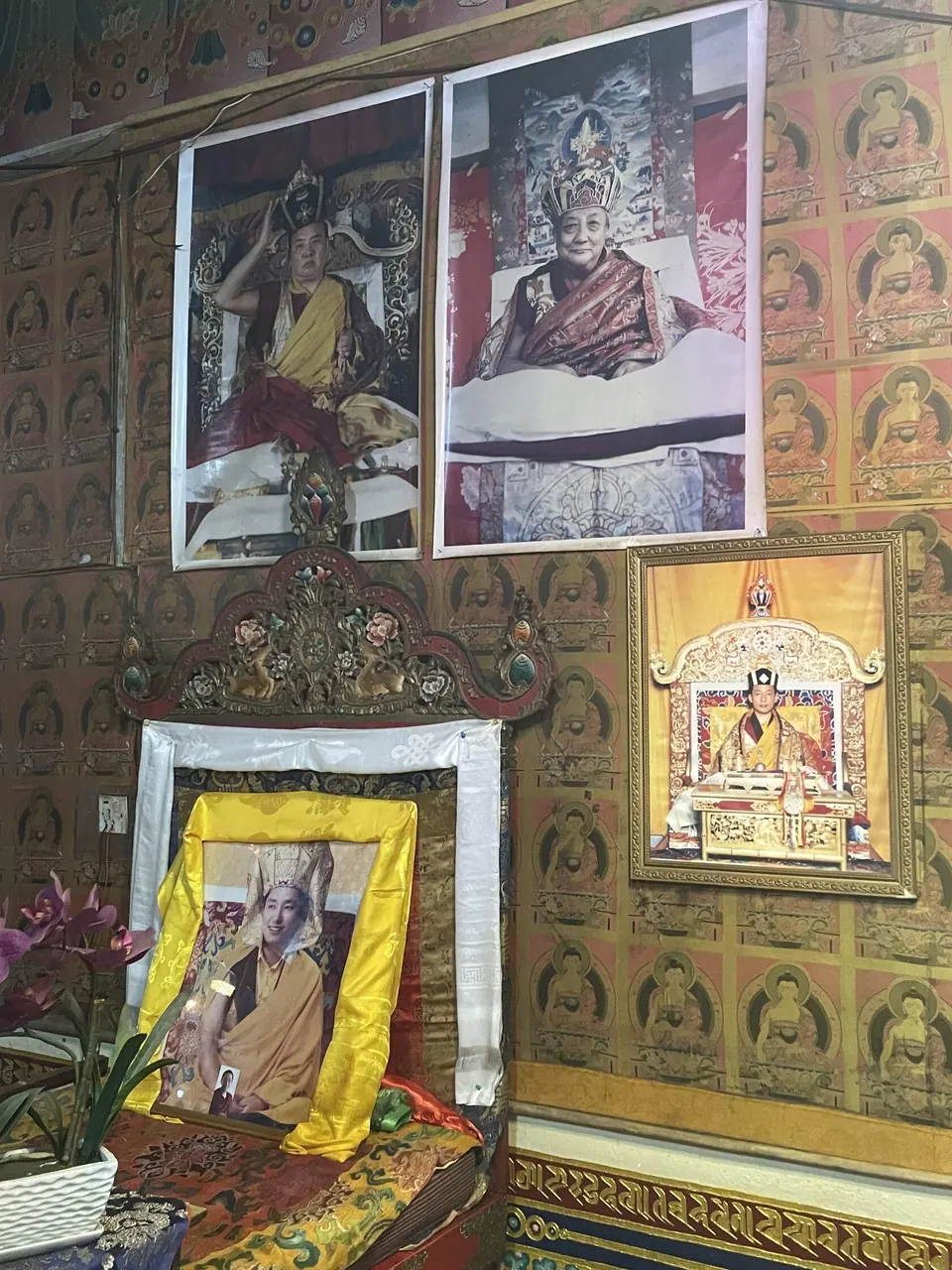
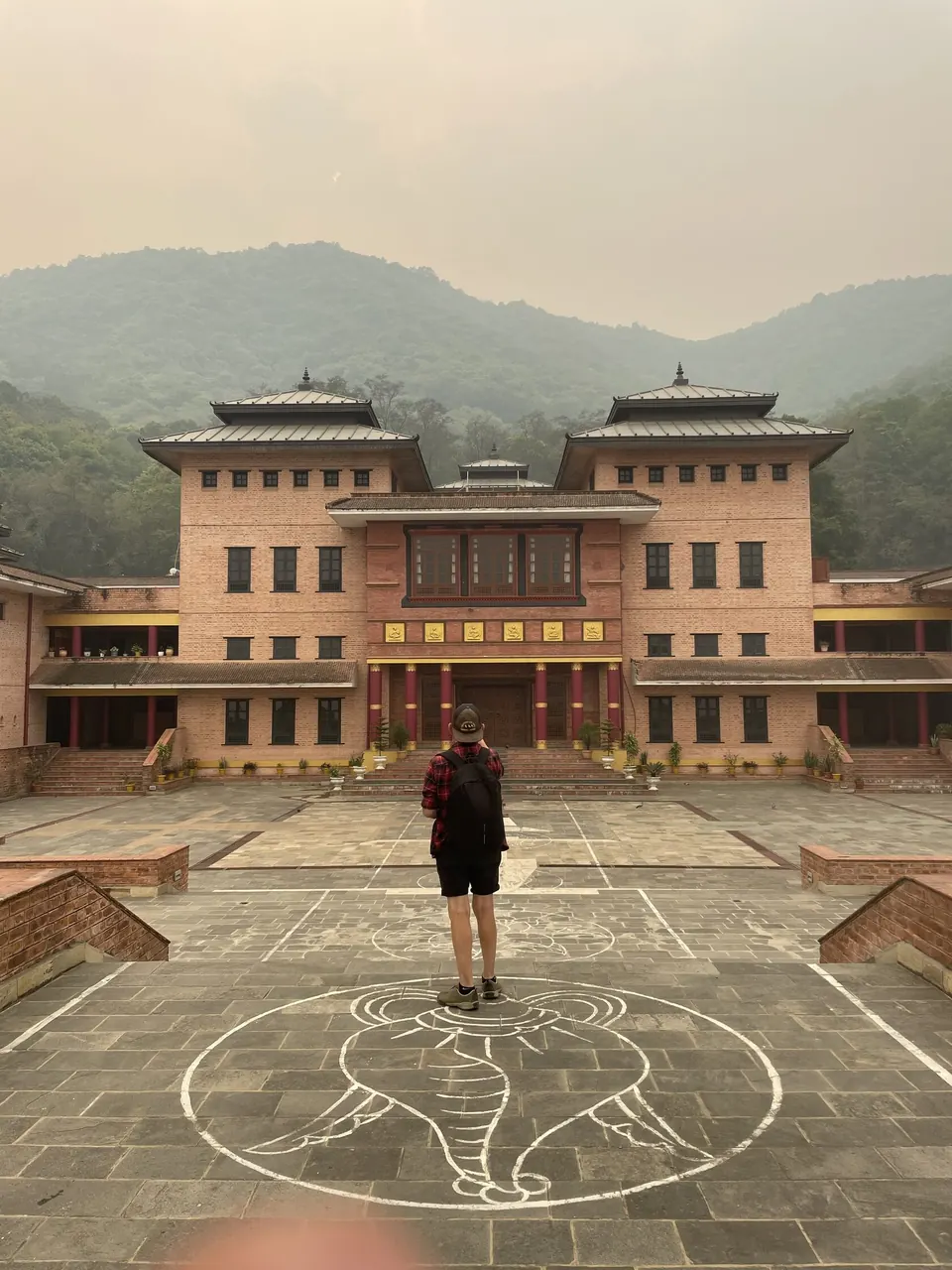
    • Visit the new monastery of Jamgyen Kongtrul Rimpoche, as well as three Kagyu monasteries founded at the request of the 16th Karmapa,
    • After lunch, we will go to the caves of Naropa and Milarepa in the Pashupatinath area,
    • And as a final impression, we will take an evening walk along the ghats of Pashupatinath itself.
  3. Day 3

    Swayambhu

    After breakfast, we will drive to Swayambhu area:
    • First, we will visit Shamar Rinpoche Monastery with its memorial stupa.
    • Then, we will visit the temple of the Five Red Dakinis (Bijeshwari Temple) — there will be time for personal practice at both places,
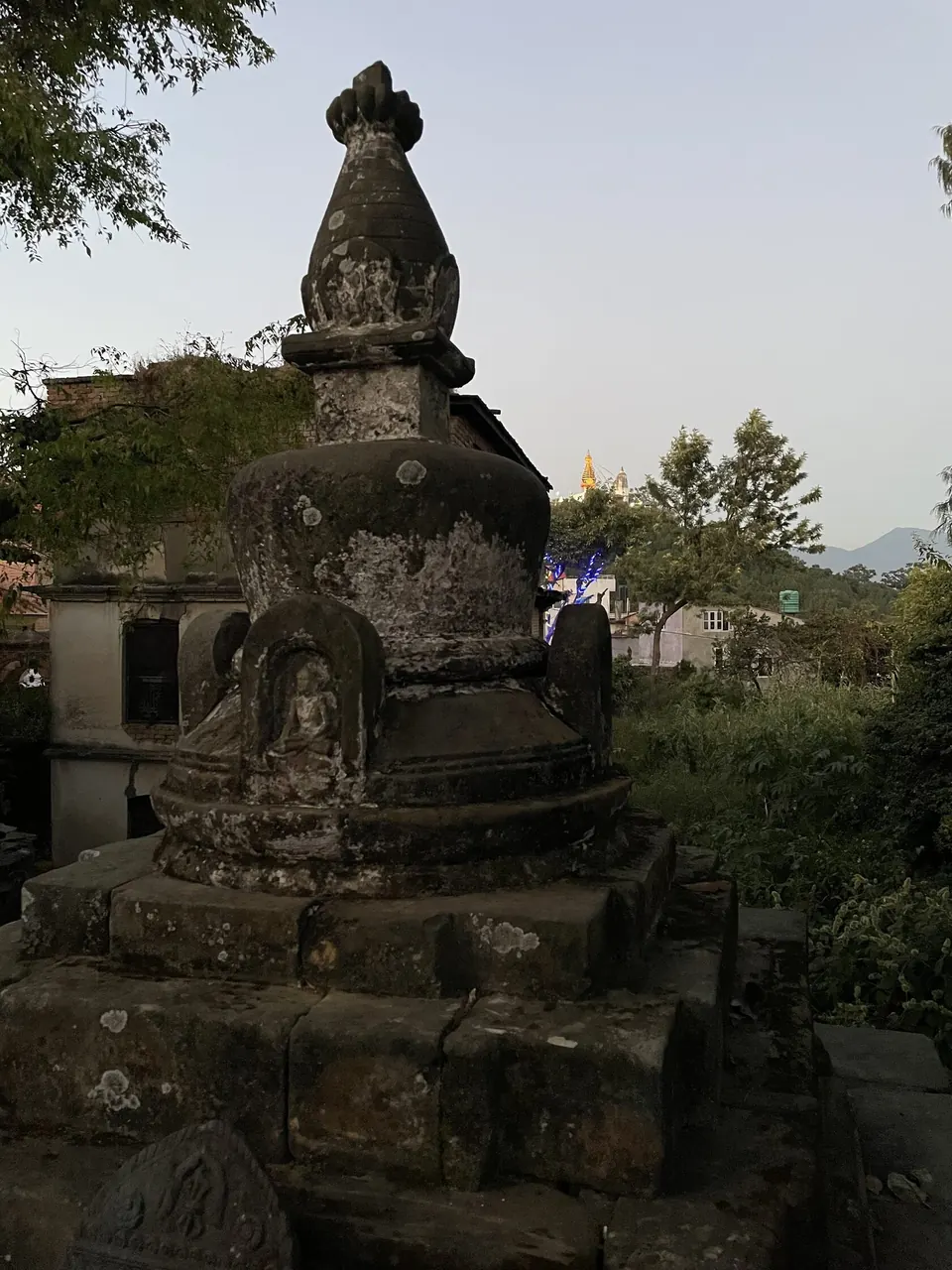
    • We will climb up to the Swayambhu stupa itself, visit the Karma Kagyu Monastery and the Bhutanese gompa (with a photo of Tsechu on the altar),
    • We will do a kora around the hill, and at that time the rooms with drums will be open, so there will be something to spin :),
    • We will end the day at Lopen Tsechu Monastery with its memorial stupa, where there will also be time for meditation,
    • If there is any activity at Sherab Gyaltsen's Rinpoche Mani Gompa, we will stop by.
  4. Day 4

    Parping

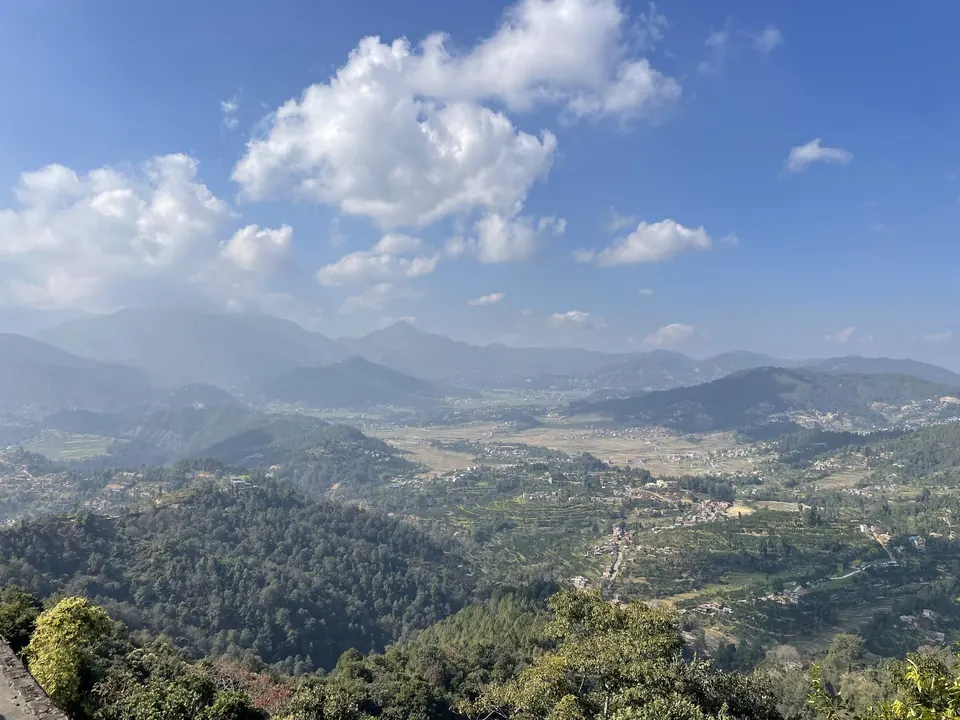
    Travelling to Parping, one of the most important places for Tibetan practices, where Padmasambhava and his disciples practised, and later the masters of the Karma Kagyu lineage meditated:
    • Re-enlightenment cave of Gure Rinpoche,
    • The Red Dakini Temple and Asura Cave (a cave associated with Padmasambhava) — both places are suitable for meditation,
    • Additionally will climbe the hill with the Dashinkali Temple, a place with a long history that has been used for centuries by both Buddhist and Hindu tantric practitioners.
  5. Day 5

    Lalitpur

    Cultural program day: walk through the old streets of Lalitpur (Patan), local temples, and shops. This is an opportunity to see Newar architecture and culture in a "worldly" way, change the pace a little, socialise and breathe in the beauty of the ancient city. And visit Newar Buddhist sites:
    • Mahabouddha Temple and (hidden) Red dakini gompa,
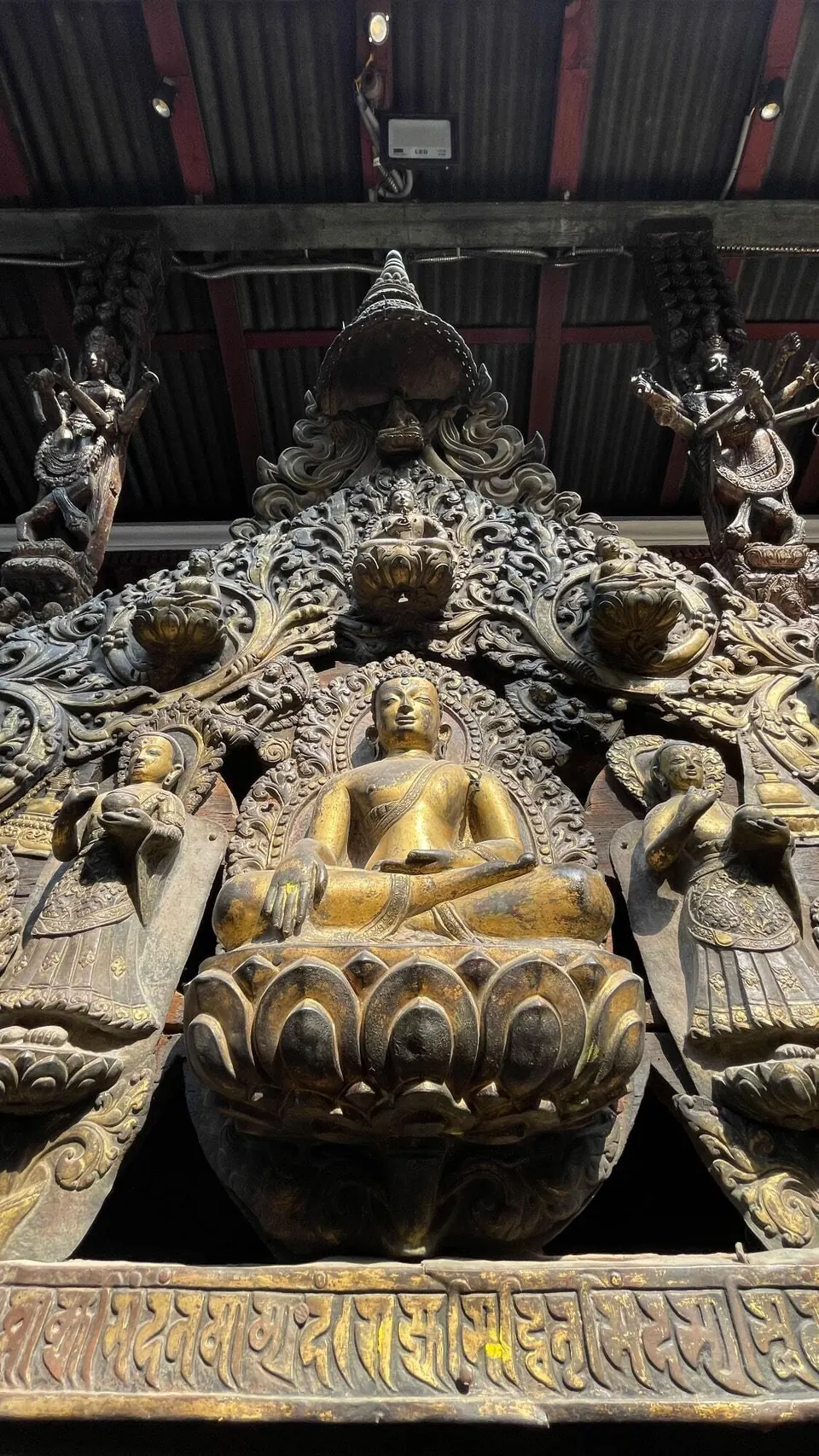
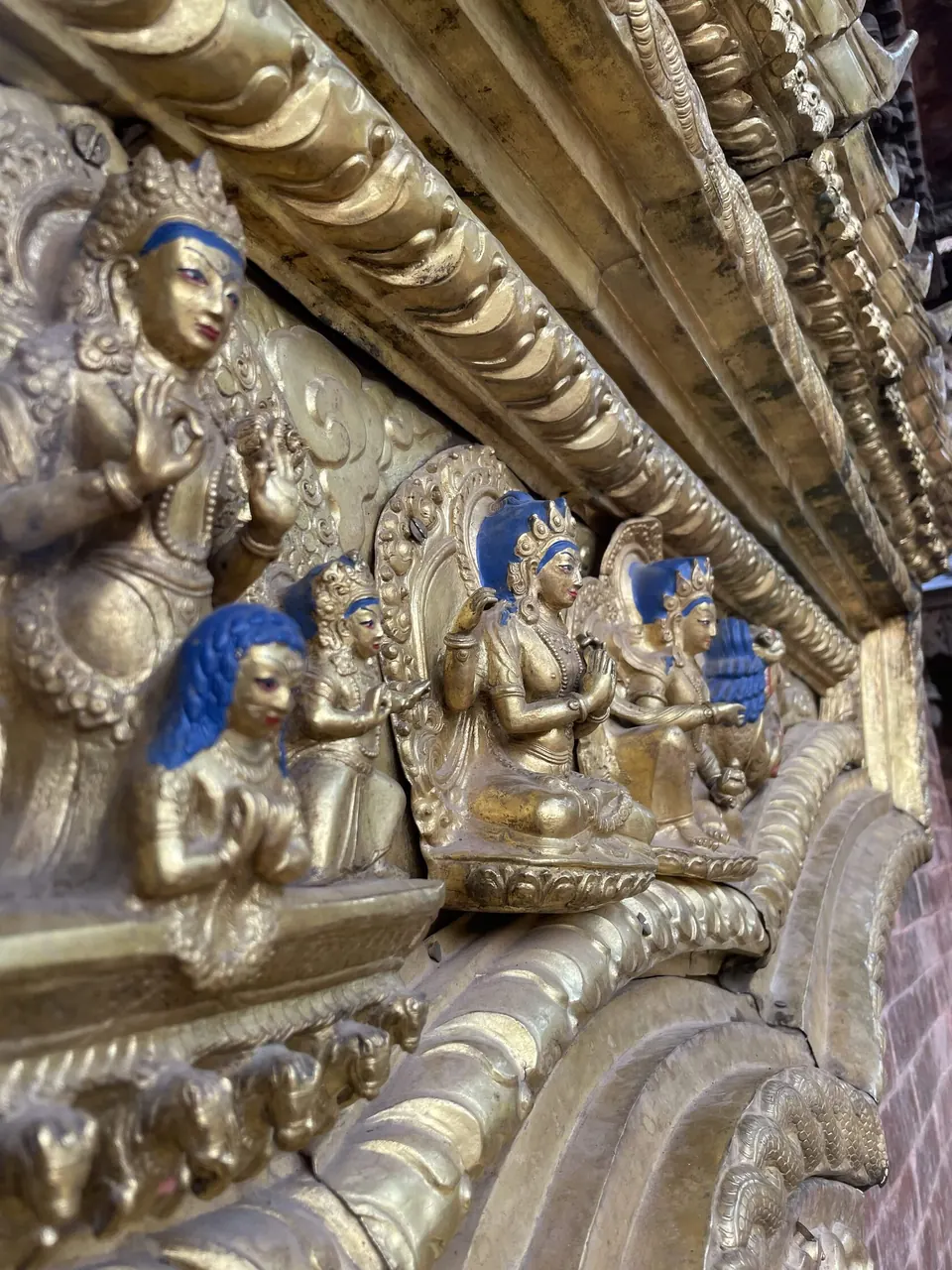
    • Hiranya Varna Mahavihar (Golden Temple) and
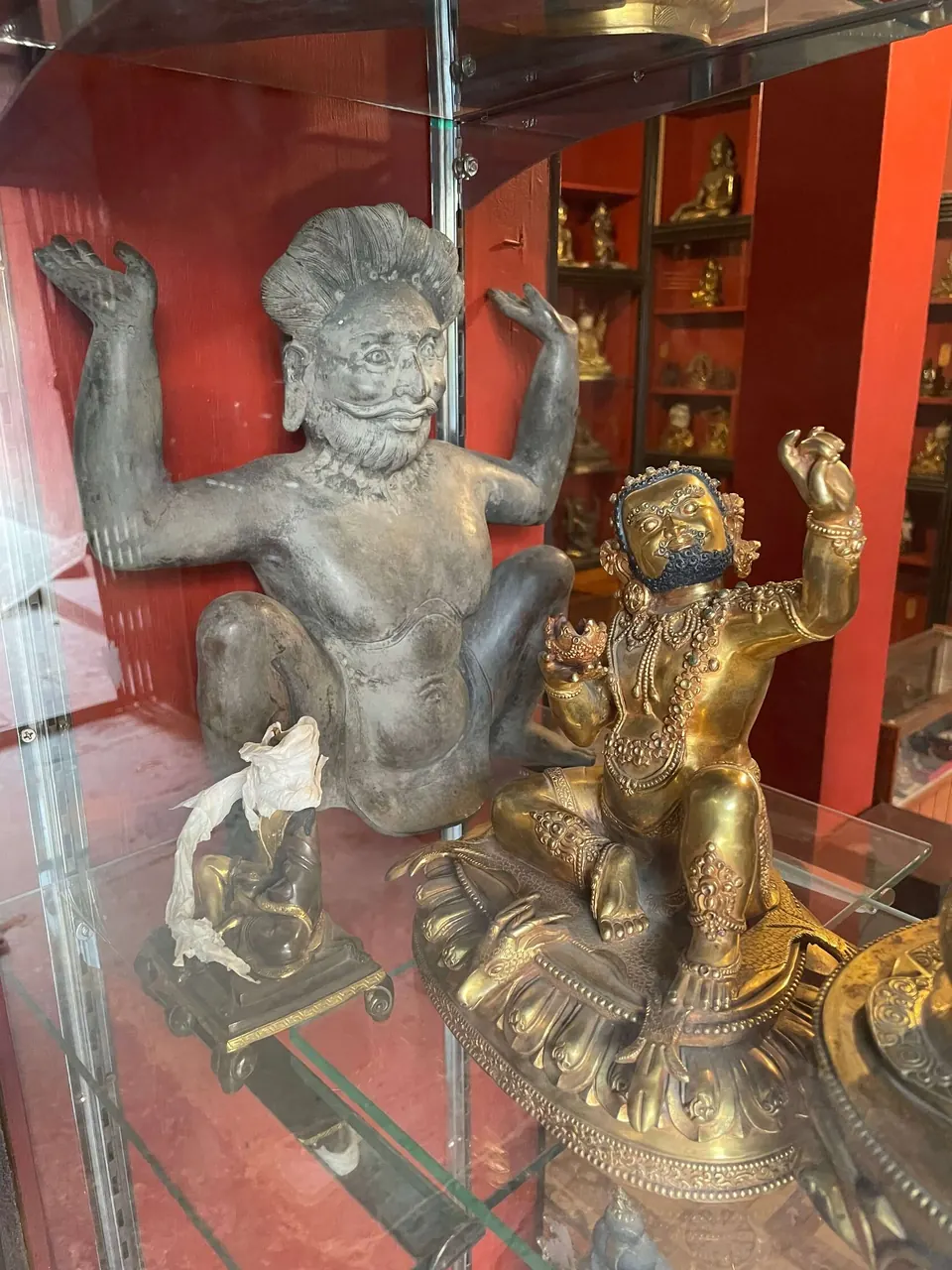
    • the Museum of Buddhist Art with an exhibition on the development of the craft of statue making.
  6. Day 6

    Morning Bouda and Nagi Gompa tracking (optional)

    Day — break:
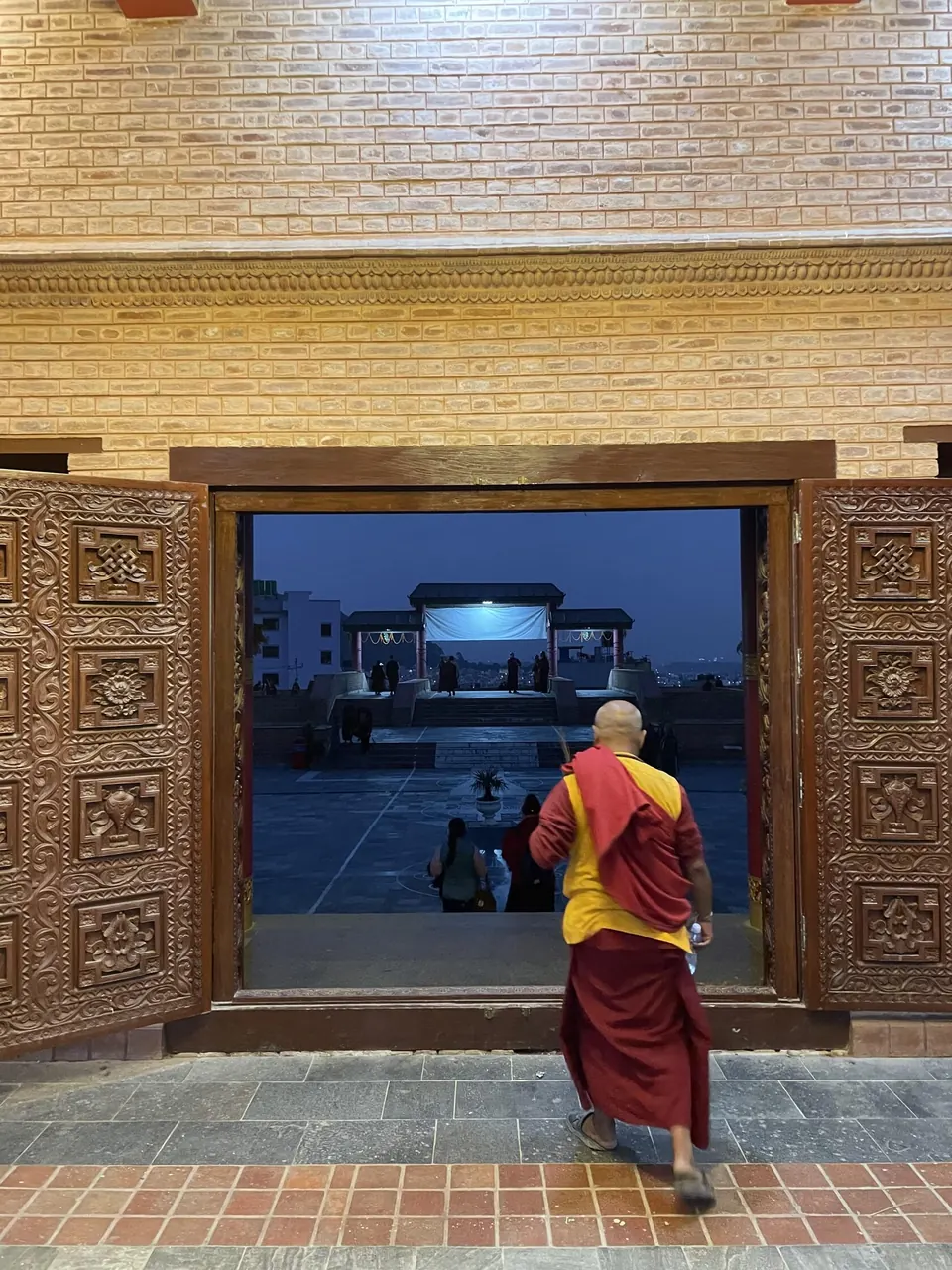
    • In the morning, we go to Boudha Kora at 6 a.m. for an hour and a half to be inspired/impressed by the number of local practitioners and do our own practice.
    • Then — a free day for those who need a break.
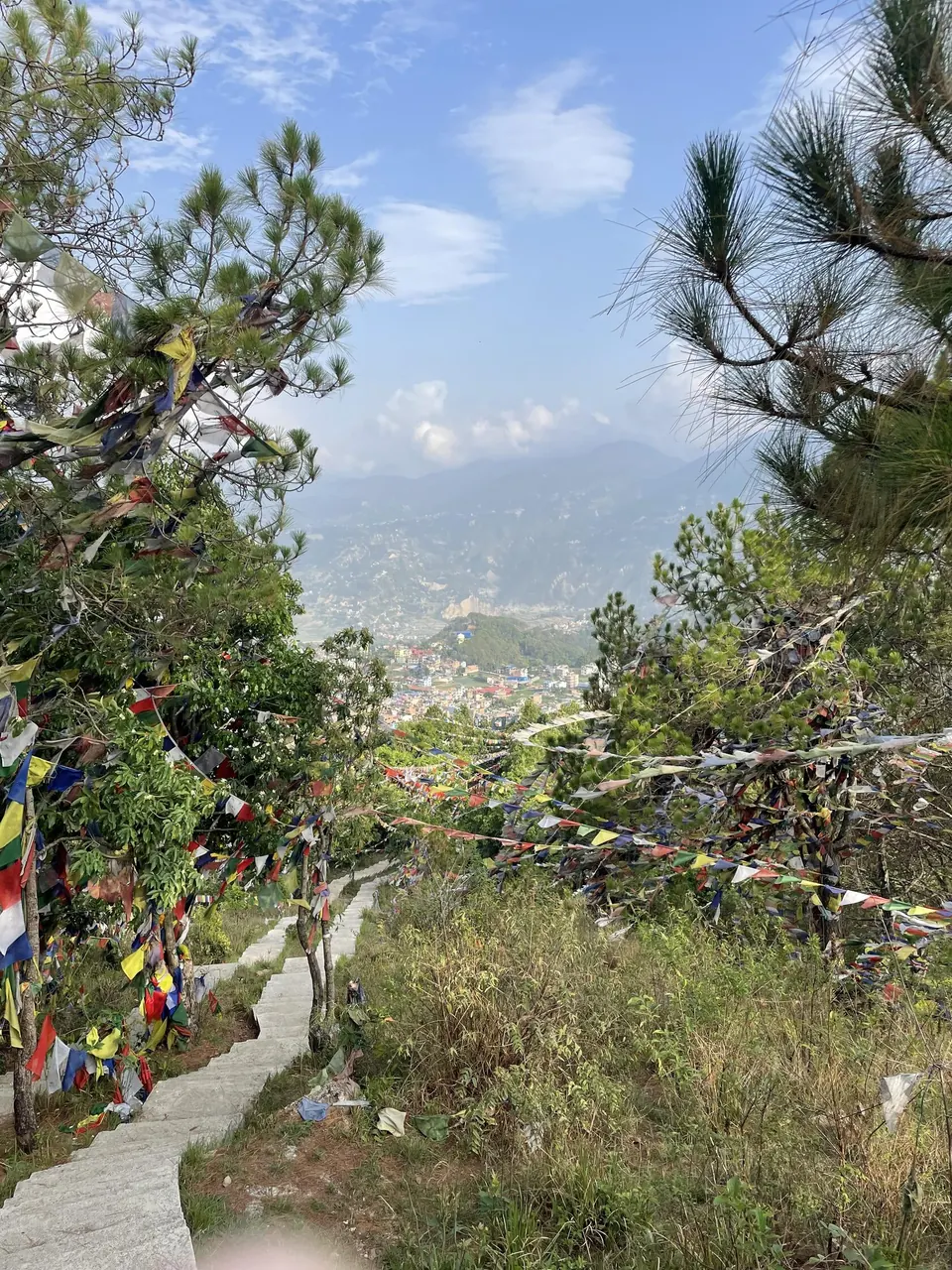
    • For those who have the energy — trekking to the hill with the Nagi Gompa monastery, where Tulku Urgyen, who was the main master and holder of the Karma Kagyu and Nyingma lineages there for a long time, gave profound teachings on Mahamudra and Dzogchen.
    • There we will spend time in practice, in silence, in a space where many have practiced long retreats.
    • Descent back after lunch.
  7. Day 7

    Namo Buddha

    We are travelling outside Kathmandu again:
    • First, we will visit Sherab Gyaltsen's Nala Gompa, where a stupa is currently being built, and we will have time for meditation there,
    • Then we will visit Nala Bhagavati Temple, one of the main shrines of the Hindu goddess Bhagavati, who is revered here as a vivid manifestation of Shakti,
    • The main destination of the day is Namo Buddha: a magnificent Kagyu monastery (not ours) and a hill with a memorial associated with the legend of Buddha's sacrifice in his past life. Here we will have the opportunity to sit and meditate more deeply.
  8. Day 8

    Sanghu area

    • We will visit the Bajrayogini Temple, one of the most famous tantric sites in the valley, where both Buddhist yogis and Hindu sadhus have come for centuries,
    • We will come by the cave associated with Milarepa, and also visit
    • the nearby KaNing tradition monastery. There will be time for practice at each location,
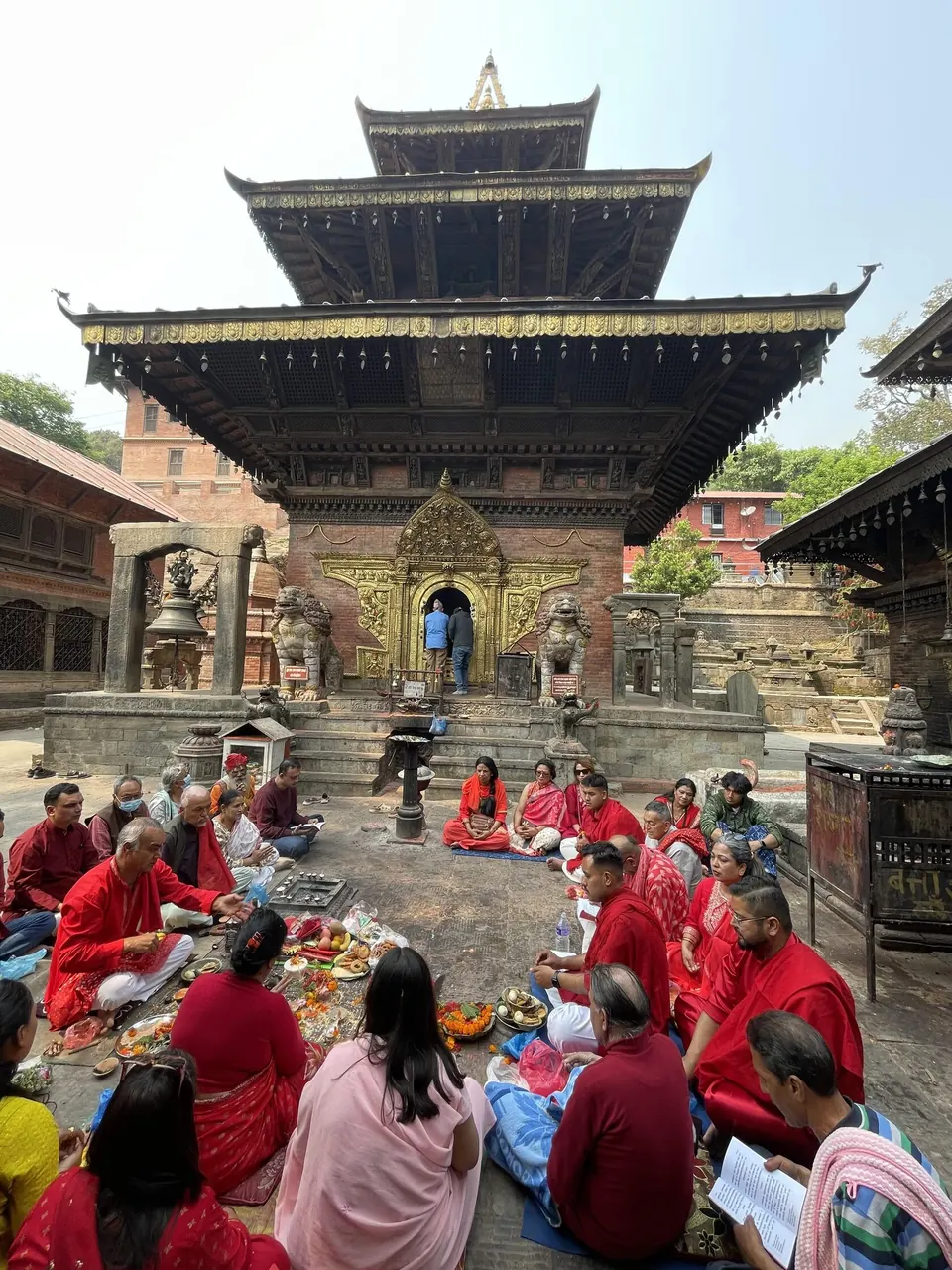
    • On the way to Sanghu or back, we will stop at Changu Narayan, the oldest Hindu temple in the valley, to see traditional Newar temple architecture.
  9. Day 9

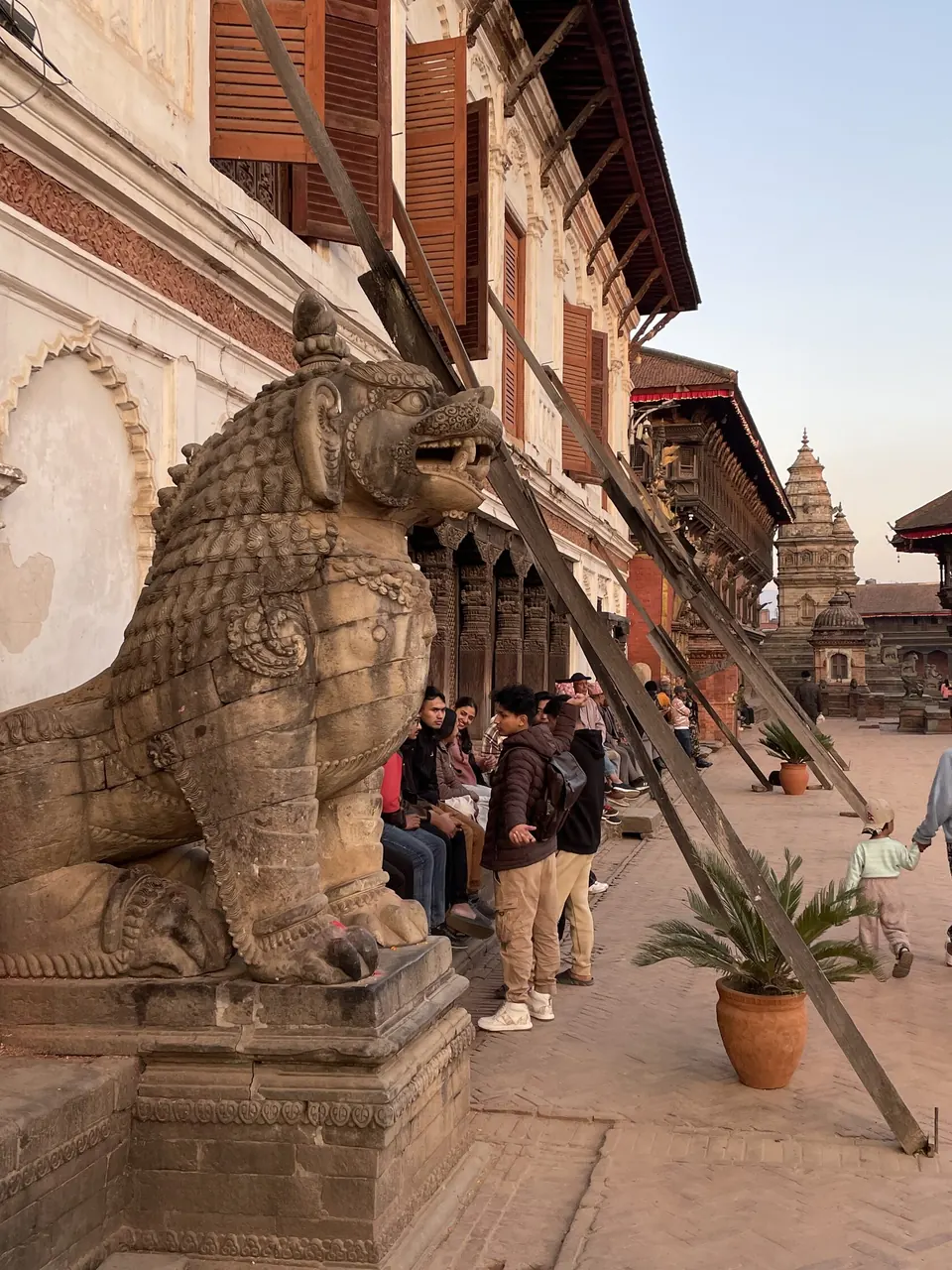
    Bhaktapur

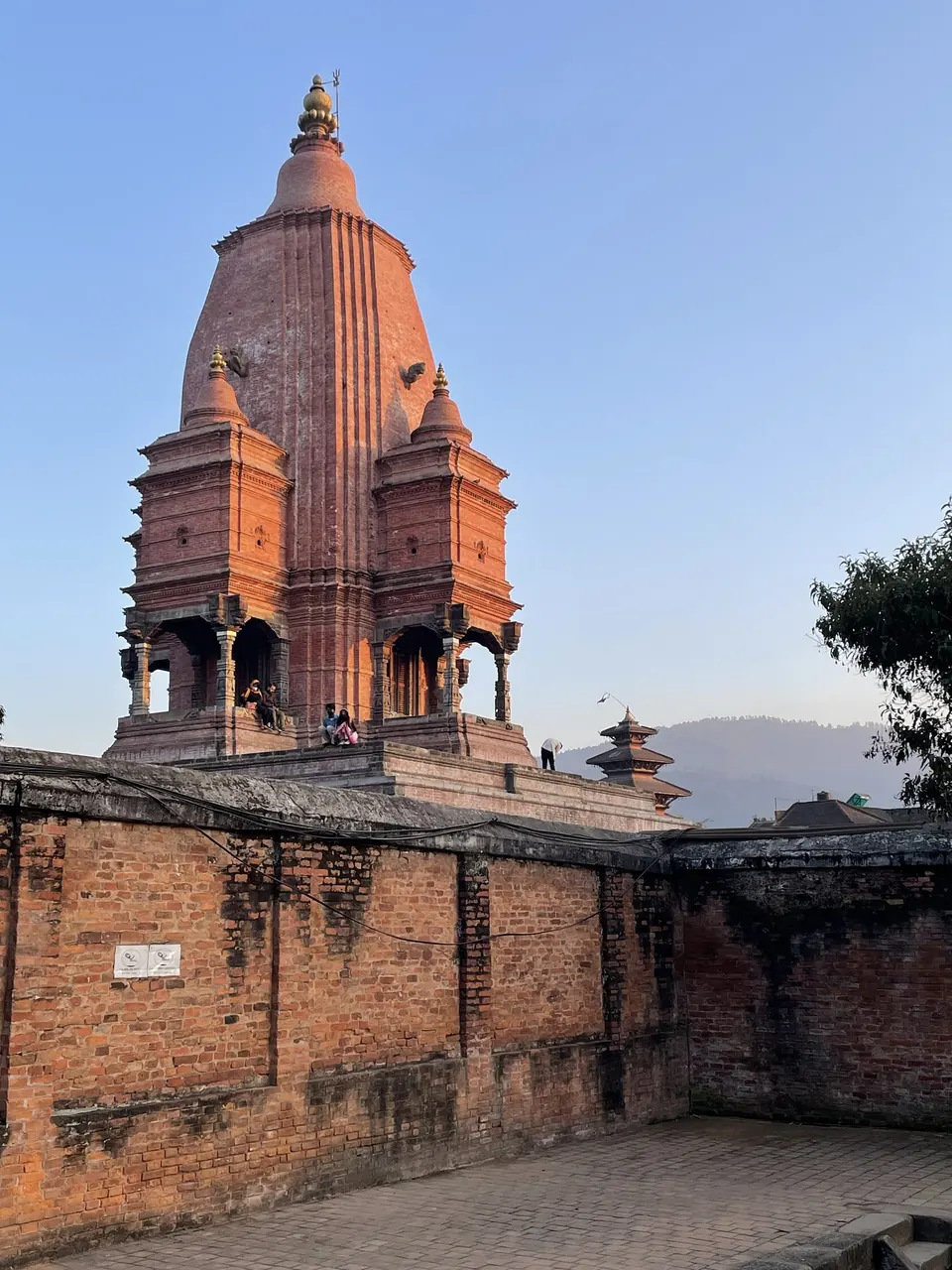
    The final day of the active program is a walk around Bhaktapur city, its Newar Buddhist temples, streets, local workshops and shops. It is a beautiful end to the tour: a taste of the living culture of the valley and an opportunity to "digest" everything we have experienced.
  10. Day 10

    Bouda, conclusion

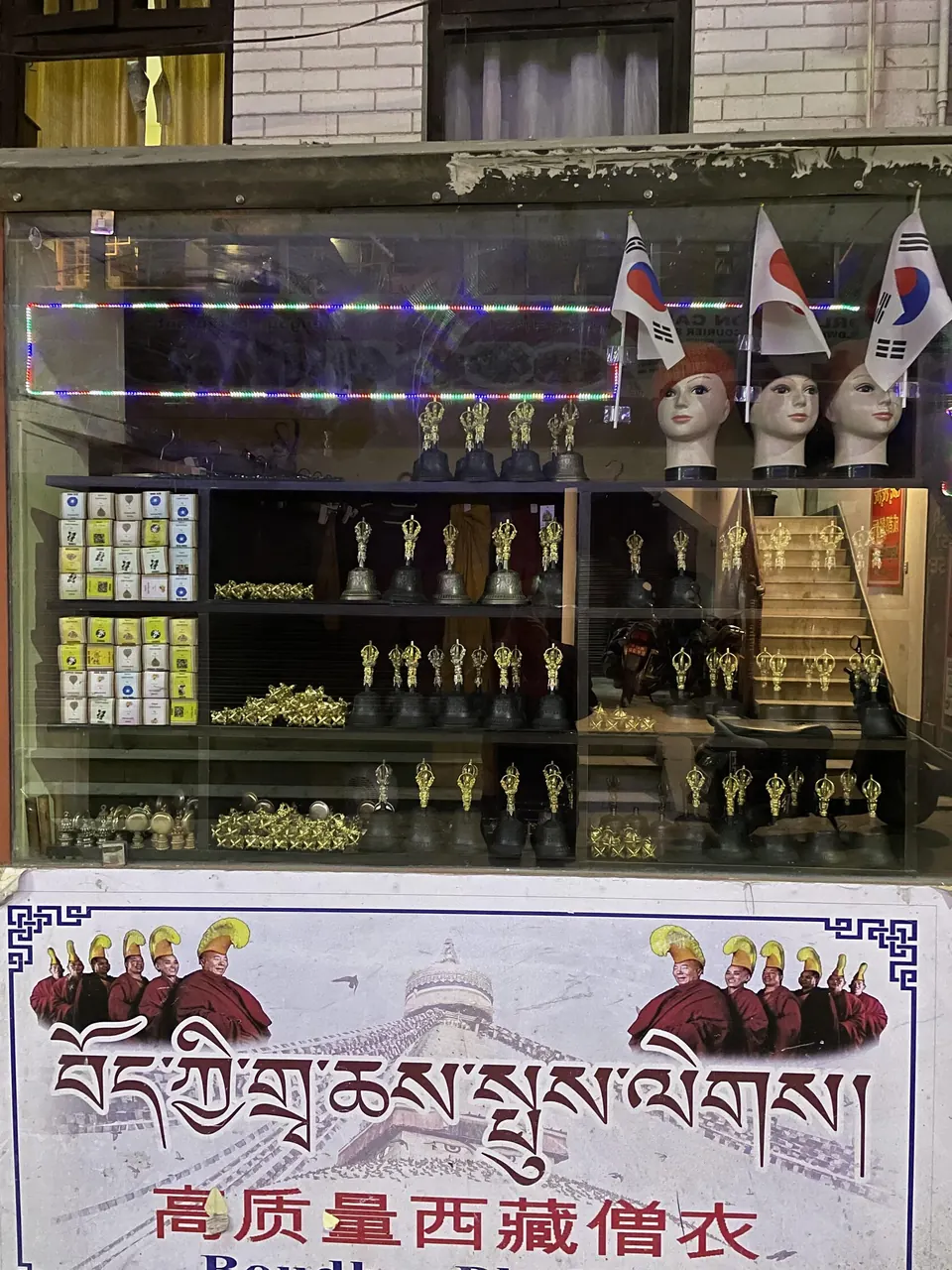
    The last day without a program: time for personal affairs, your own practices, and preparation for departure. Some may want to walk around Boudha again, while others may want to buy souvenirs. In the evening, there will be a farewell dinner and the conclusion of our shared adventure.
Submit request

Where will we stay?

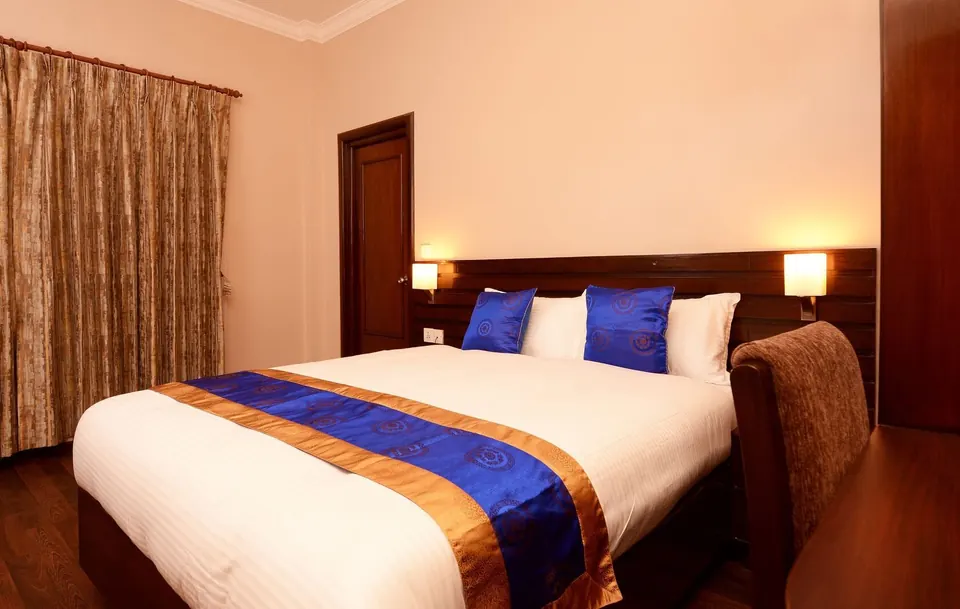
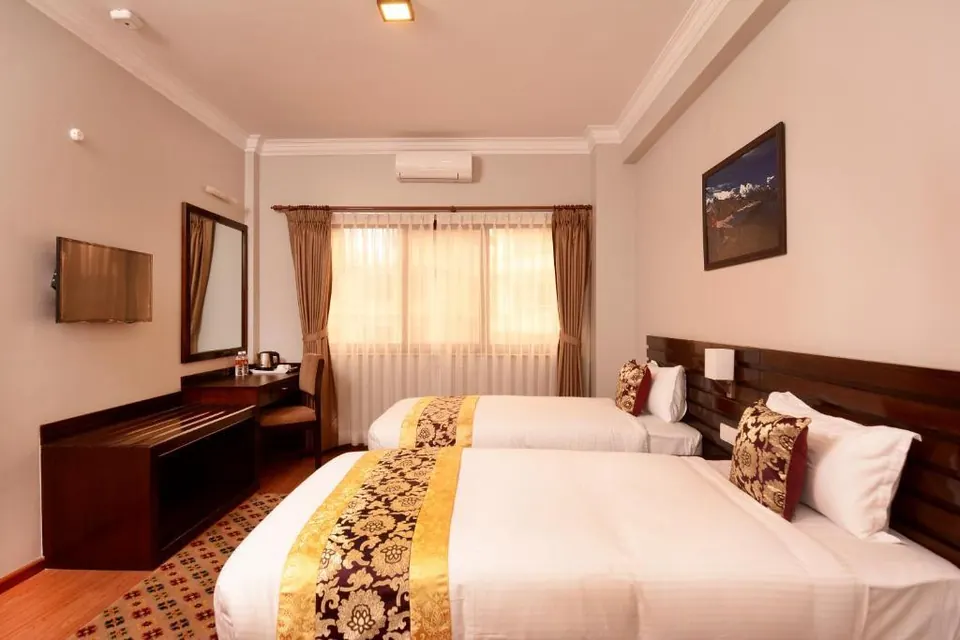
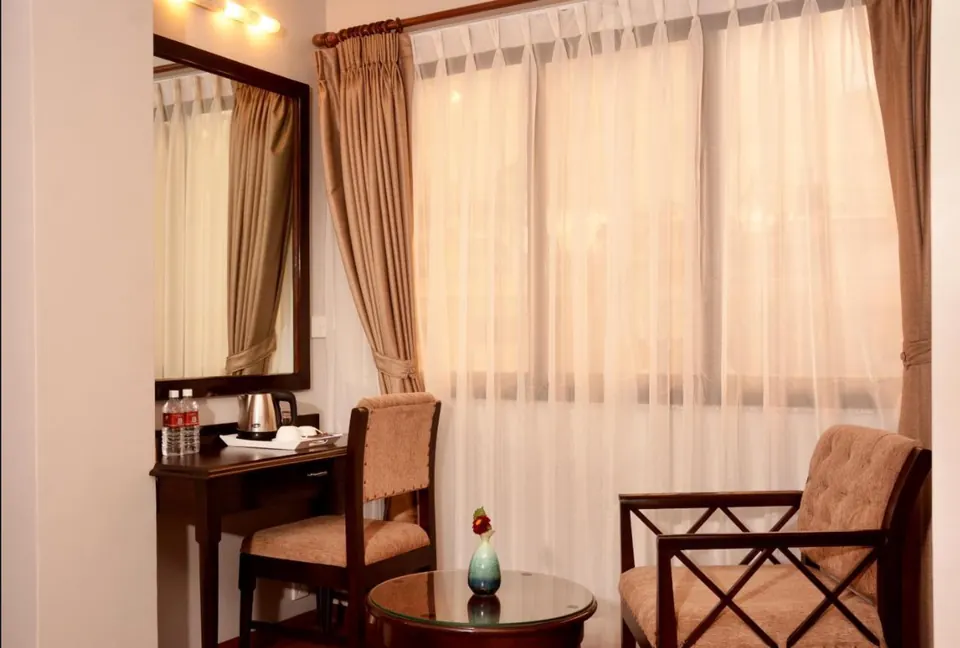
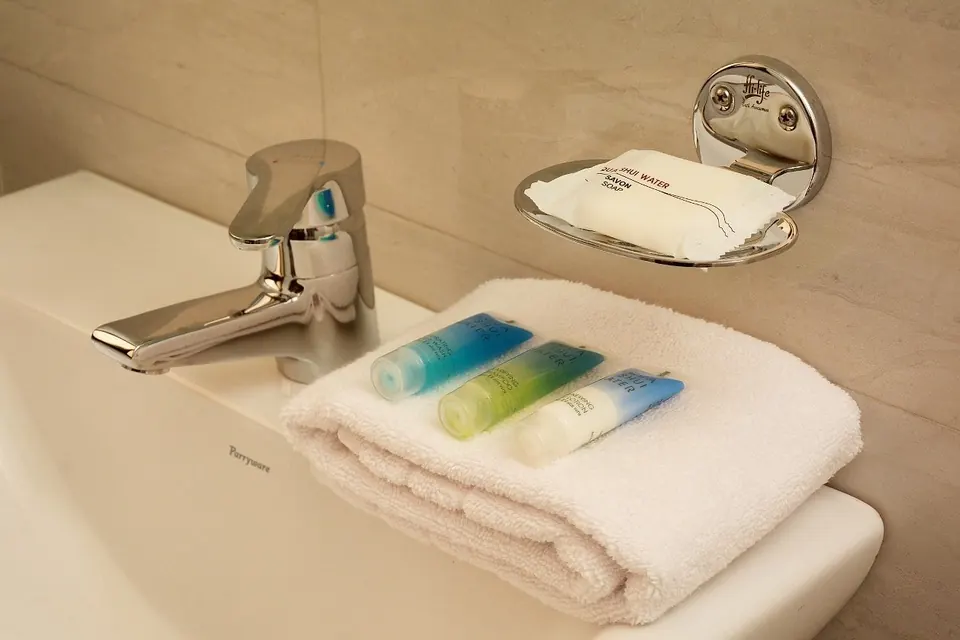
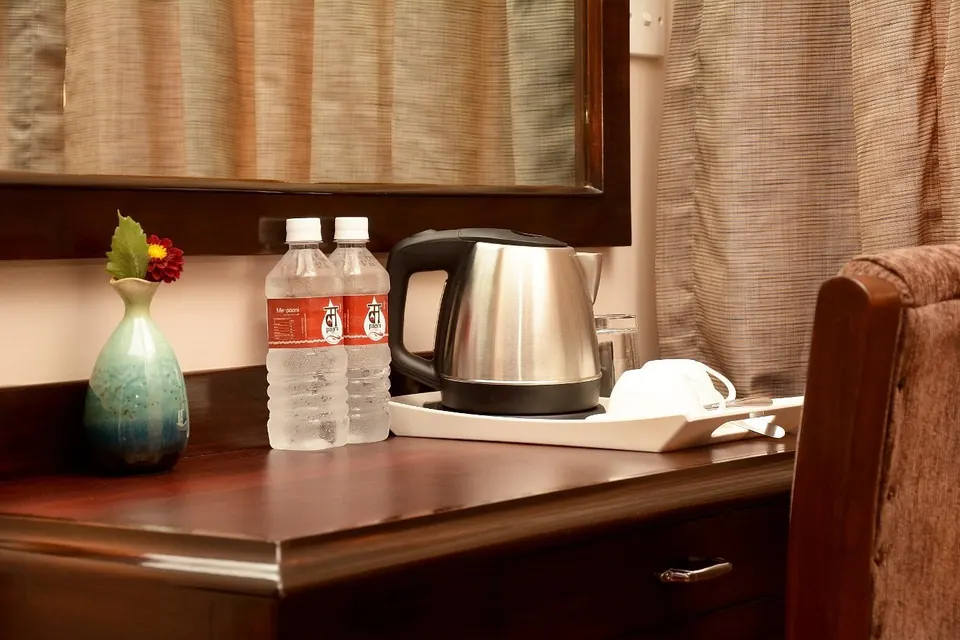
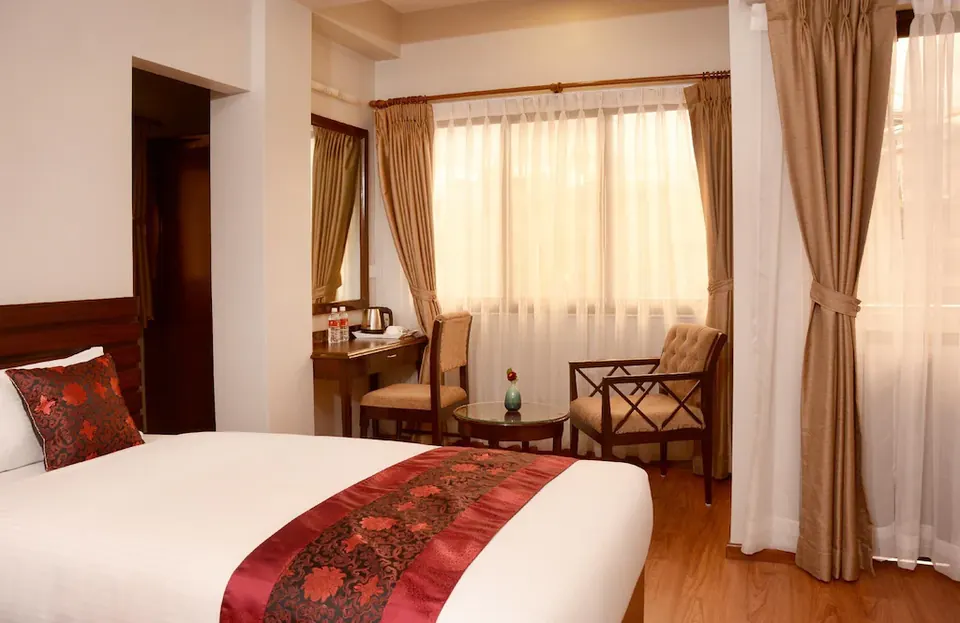
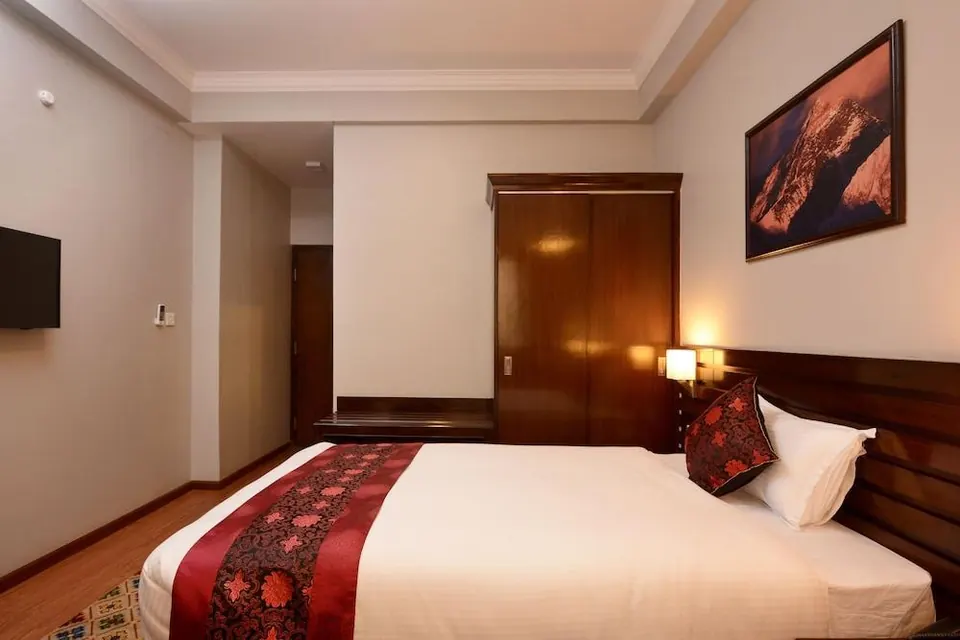
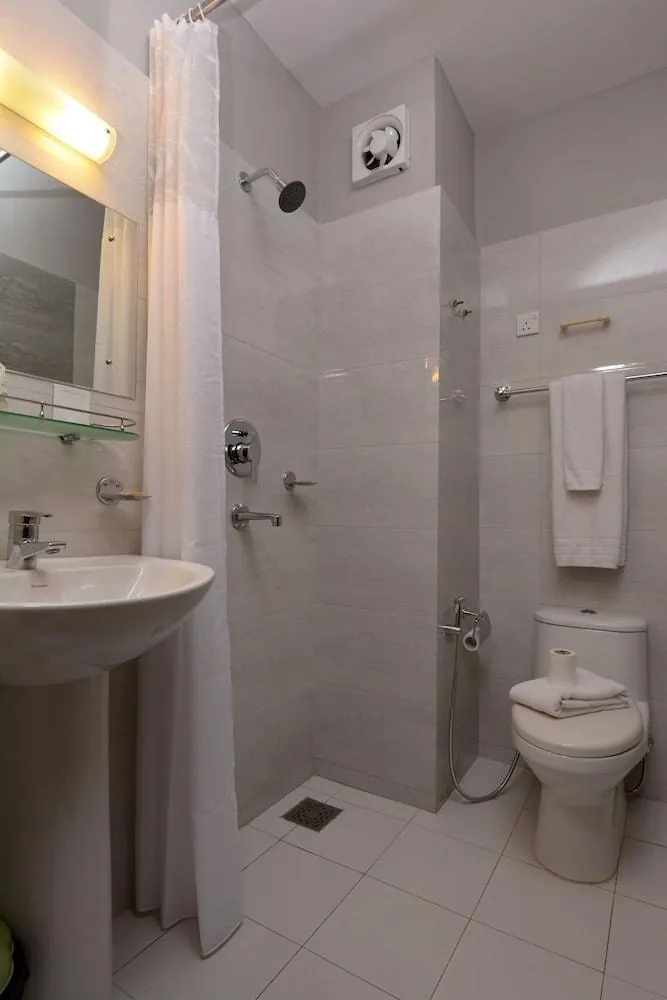
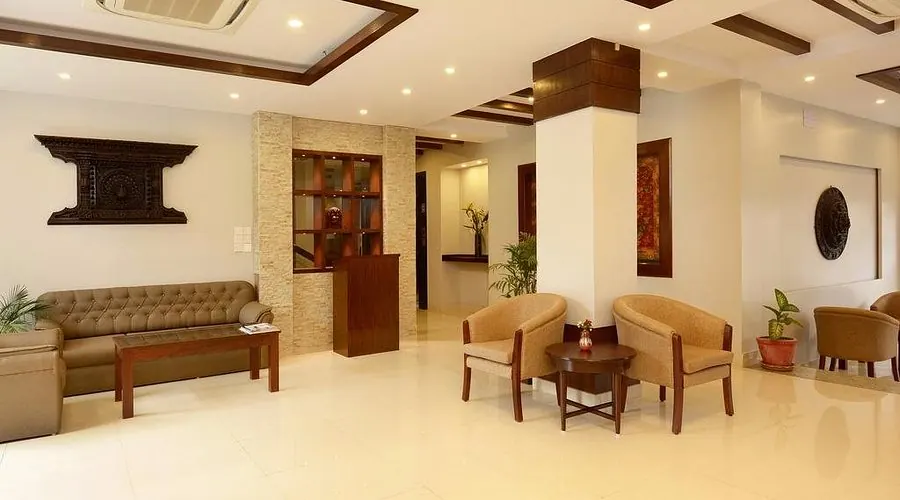
  • A cozy 3-star hotel with breakfast included.
  • Accommodation for one or two people.

The guide

Format and everyday life

Price

Standard – 1 299 EUR

The price includes:
- accommodation,
- transfers,
- excursions,
- entrance tickets (where required),
- welcome kit: SIM card, meditation coushing.

Secure a spot on the tour!
Do you need to be in special physical shape?
No. Basic fitness is sufficient—the longest walking routes are up to 10 km per day.
What clothes should I bring?
Early November in Kathmandu is already the dry season: daytime temperatures usually range from +20 to +25°C, while at night they can drop to +10°C. The rains are almost over by this time, but mornings and evenings can be cool.

Therefore, you will need comfortable shoes for walking and trekking, layered clothing (t-shirt + sweater/fleece + windstopper or thin down jacket). If you plan to do stretching exercises, bring appropriate change of clothes.

And one more thing: the sun is quite strong in the mountains, so a hat and sunglasses will be practical.
What do you need for hiking?
Any comfortable clothing and shoes with gripping soles. The route will follow forest trails of moderate difficulty. The surface underfoot is turf and compacted sand.
What about hygiene?
Hygiene standards in Nepal differ from those in the West. Tap water is not safe to drink — only bottled water should be consumed, which is sold on every corner. Fruit and vegetables should be washed or peeled before consumption. We will be staying near Boudha, in a good hotel with hot water and clean rooms, so basic comforts will be provided.

It is worth carrying hand sanitizer and wet wipes with you. If you take a relaxed approach and follow simple precautions, everything will be fine.

Book a tour now

Submit your request — I will contact you and tell you everything :)